Kategoria: Zen and the Art of Dissatisfaction
-

Zen and the Art of Dissatisfaction — Part 46
This post was written by
The history of Auschwitz-Birkenau is not only a history of perpetrators and victims. It is also a history of memory, inherited trauma, moral ambiguity and the heavy burden carried by those who survived. The experiences of survivors, their children and those who return to these places of suffering reveal how deeply historical trauma can shape…
-

Zen and the Art of Dissatisfaction — Part 45
This post was written by
What leads an ordinary person towards violence, and what allows them to recognise the consequences of their actions? This essay explores these questions through the lens of Zen practice, meditation, social engagement, and the story of Bosnian war criminal Esad Landzo. Drawing on more than a decade of meditation practice within the Soto Zen tradition,…
-

Zen and the Art of Dissatisfaction — Part 44
This post was written by
This post explores the relationship between mystical experiences, altered states of consciousness, psychedelic experiences, and Zen Buddhism through anthropology, philosophy, psychology, and personal reflection. The post examines how extraordinary states of mind have accompanied humanity throughout history, shaping religions, rituals, and spiritual traditions. Drawing from examples such as persistence hunting, ultramarathon hallucinations, Indigenous trance rituals,…
-

Zen and the Art of Dissatisfaction — Part 43
This post was written by
This post explores mystical experience as a universal dimension of human consciousness that transcends culture, religion, and historical period. From the trance rituals of the Kalahari San peoples to Zen Buddhism, Sufism, Christianity, and Hinduism, mystical traditions have sought ways to dissolve the boundaries between self and world. The post examines how mystical experience transforms…
-

Zen and the Art of Dissatisfaction – Part 42
This post was written by
The post explores the nature of mystical experience from both philosophical and scientific perspectives, highlighting its significance in human life. Mystical experiences are described as profound states in which individuals feel a sense of unity with the universe, often accompanied by deep insight, sacredness, and transcendence. These experiences, while subjective and difficult to measure, have…
-

Zen and the Art of Dissatisfaction – Part 41
This post was written by
This post examines the use of psychedelic substances from both historical and scientific perspectives. In many indigenous cultures, altered states of consciousness have been central to healing practices and religious rituals, often achieved through dancing, breathing techniques, or the use of psychedelic plants. In the twentieth century, modern science began investigating these phenomena after Albert…
-

Zen and the Art of Dissatisfaction – 40
This post was written by
Altered States of Consciousness in Indigenous Cultures Altered states of consciousness have played an important role in many human cultures throughout history. While modern societies often associate such experiences with psychoactive substances, numerous Indigenous traditions achieve similar states through meditation, movement, rhythm, and collective ritual practices. Anthropological research has documented how these altered states can…
-

Zen and the Art of Dissatisfaction – Part 39
This post was written by
The Disrupted Way of Shamanic Life Imagine living in the desert with twenty-five to fifty of your closest relatives. The social pressures of such intimate, constant coexistence would, for most of us, be overwhelming. For the San people of the Kalahari Desert, the primary method of releasing this tension was not therapy, nor alcohol, nor…
-

Zen and the Art of Dissatisfaction –Part 38
This post was written by
Zen Master Bernie Glassman had a remarkable journey from aeronautic engineer to Zen teacher and social entrepreneur. Here, the focus turns to Glassman Roshi’s understanding of what peacemaking means, and how Buddhist practice can be embodied in everyday life without reliance on traditional monastic forms.
-
Zen and the Art of Dissatisfaction – Part 37
This post was written by
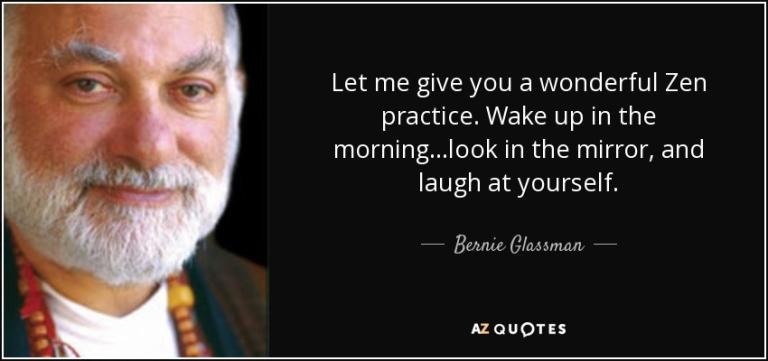
Bernie Glassman (1939–2018) was an American engineer, Zen teacher and social entrepreneur. His work—such as the Greyston Bakery—combined personal insight with societal transformation. Glassman stressed the realisation of the bodhisattva ideal, offering assistance with social challenges such as poverty and substance abuse.