Avainsana: Social Justice
-

Zen and the Art of Dissatisfaction –Part 38
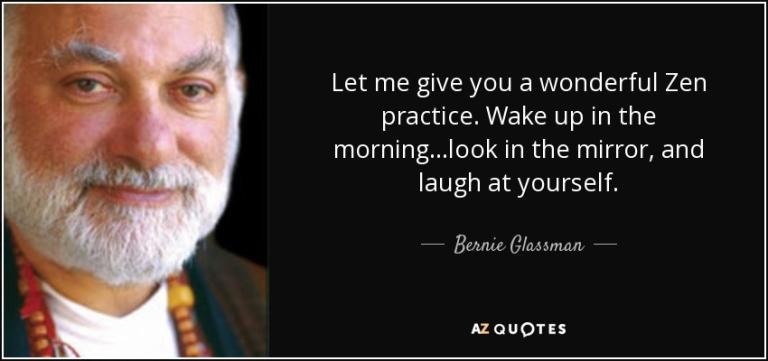
Zen Master Bernie Glassman had a remarkable journey from aeronautic engineer to Zen teacher and social entrepreneur. Here, the focus turns to Glassman Roshi’s understanding of what peacemaking means, and how Buddhist practice can be embodied in everyday life without reliance on traditional monastic forms.
-
Zen and the Art of Dissatisfaction – Part 37
Bernie Glassman (1939–2018) was an American engineer, Zen teacher and social entrepreneur. His work—such as the Greyston Bakery—combined personal insight with societal transformation. Glassman stressed the realisation of the bodhisattva ideal, offering assistance with social challenges such as poverty and substance abuse.
-

Zen and the Art of Dissatisfaction – Part 34
In the face of climate change, technological advancements, and social inequities, simple spiritual practices offer guidance. Eastern philosophies highlight interconnectedness, encouraging peace within and without. Embracing sorrow leads to meaningful action, fostering awareness and compassion. A peacemaker listens, acts responsibly, and strives for justice, ultimately contributing to a more harmonious future.
-

Zen and the Art of Dissatisfaction – Part 33
The Eastern Band of Cherokee experienced remarkable transformations after opening a profitable casino, providing community members with a form of unconditional basic income. This financial security led to significant improvements in children’s mental health, behavior, and school performance, reinforcing the idea that poverty stems from lack of resources, not personal failings.
-

Zen and the Art of Dissatisfaction – Part 20
This blog post discusses the interconnected crises of modern civilization—ecological, technological, and political—highlighting themes of data manipulation and surveillance. It examines how personal data has become a powerful tool for influence, emphasizing the urgent need to understand its role within contemporary challenges and the implications for individual privacy and autonomy.
-
Zen and the Art of Dissatisfaction – Part 13
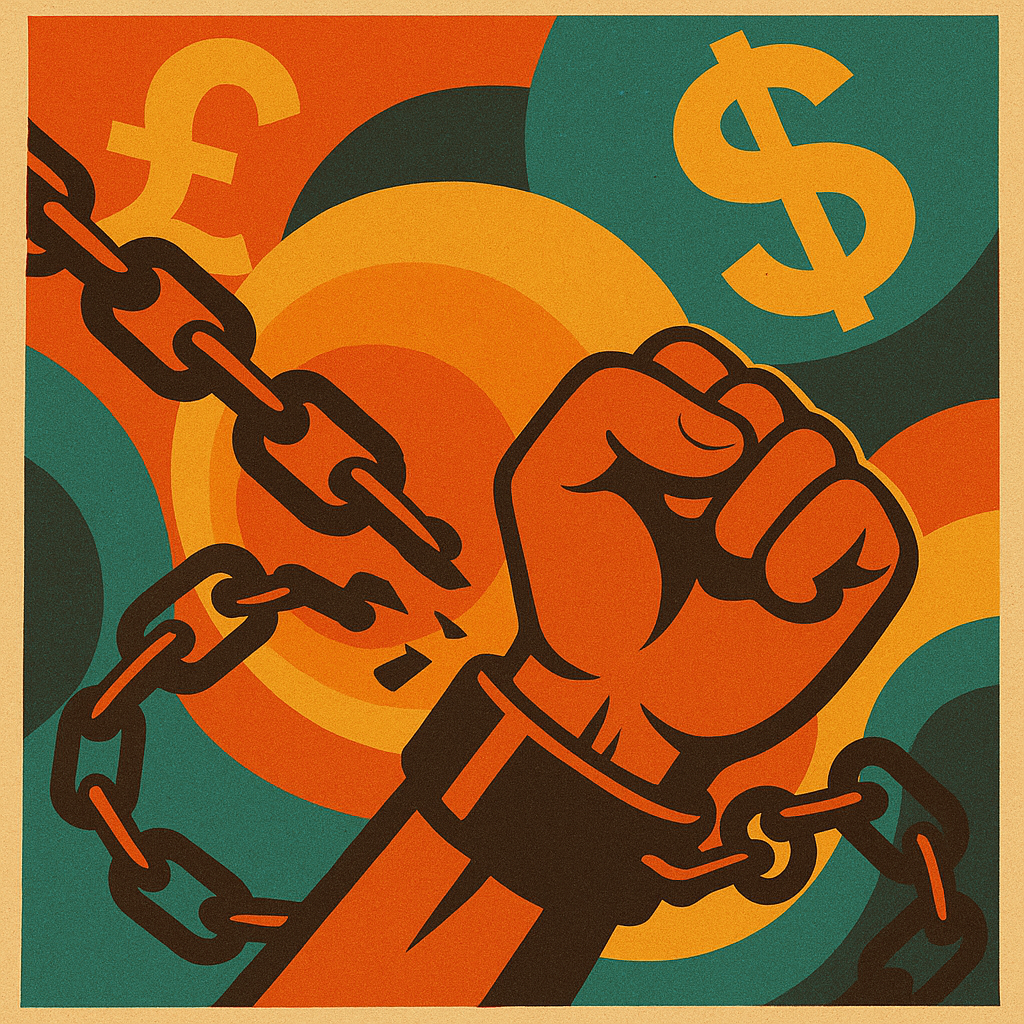
This post examines the intricate history of financial systems, revealing the cyclical nature of debt and its role in social inequality. From medieval state borrowing to modern economic practices, the evolution of money illustrates how our current financial landscape perpetuates obligation and dissatisfaction, raising moral questions about wealth distribution and societal well-being.