Avainsana: philosophy
-
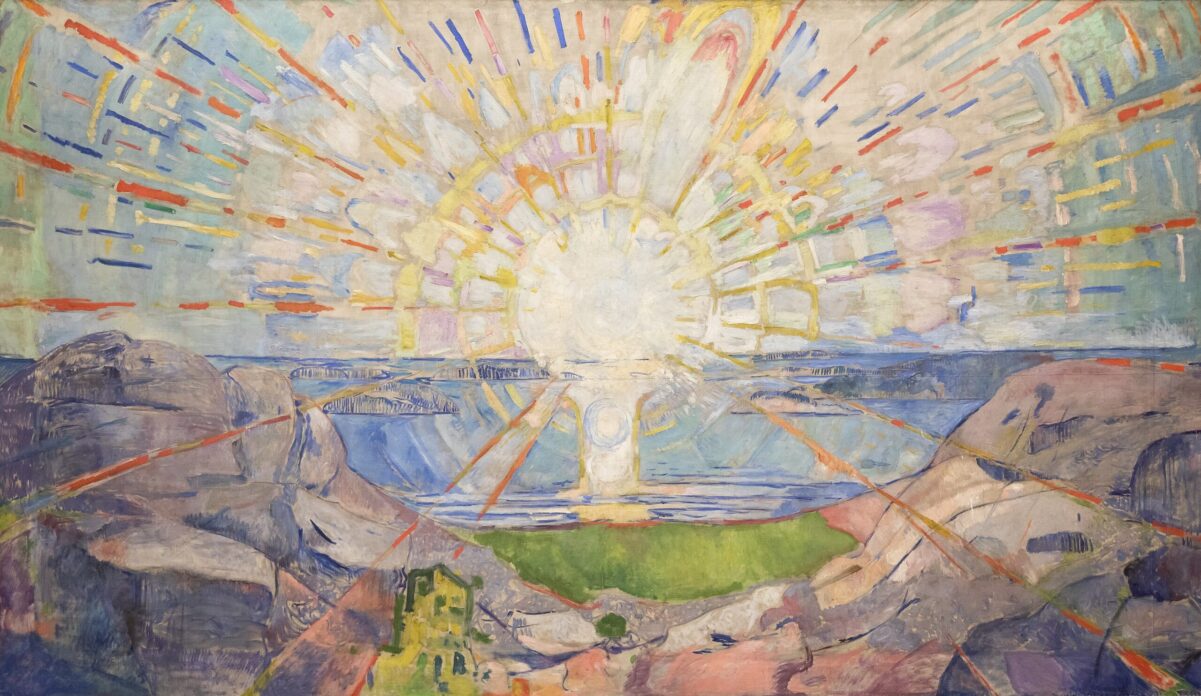
Zen and the Art of Dissatisfaction — Part 43
This post was written by
This post explores mystical experience as a universal dimension of human consciousness that transcends culture, religion, and historical period. From the trance rituals of the Kalahari San peoples to Zen Buddhism, Sufism, Christianity, and Hinduism, mystical traditions have sought ways to dissolve the boundaries between self and world. The post examines how mystical experience transforms…
-

Zen and the Art of Dissatisfaction – Part 42
This post was written by
The post explores the nature of mystical experience from both philosophical and scientific perspectives, highlighting its significance in human life. Mystical experiences are described as profound states in which individuals feel a sense of unity with the universe, often accompanied by deep insight, sacredness, and transcendence. These experiences, while subjective and difficult to measure, have…
-

Zen and the Art of Dissatisfaction – PART 9.
This post was written by
The article explores human dissatisfaction, rooted in Buddhist philosophy. It discusses the nature of suffering, the illusion of self, and methods to engage with dissatisfaction. Emphasizing awareness and acceptance rather than material solutions, it suggests that understanding impermanence may lead to liberation from suffering, ultimately challenging our perceptions of identity and existence.
-

Zen and the Art of Dissatisfaction – PART 8.
This post was written by
The text discusses the “self illusion,” a concept explored by philosopher David Loy, suggesting that dissatisfaction in life arises from our belief in an incomplete inner self. This notion is addressed through perspectives from psychology, Buddhism, and neuroscience, revealing that this psychological reality perpetuates our unhappiness and reinforces a fixed self that causes chronic discontent.