Avainsana: evolution
-

Zen and the Art of Dissatisfaction – Part 16
The post highlights the urgent need to address ecological crises, particularly the sixth mass extinction caused by human actions. It emphasizes interconnectedness in nature, urging individuals and leaders to acknowledge the consequences of their choices and take immediate action for a sustainable future. Ancient wisdom offers lessons for humanity’s survival and responsibility.
-
Zen and the Art of Dissatisfaction – PART 10.
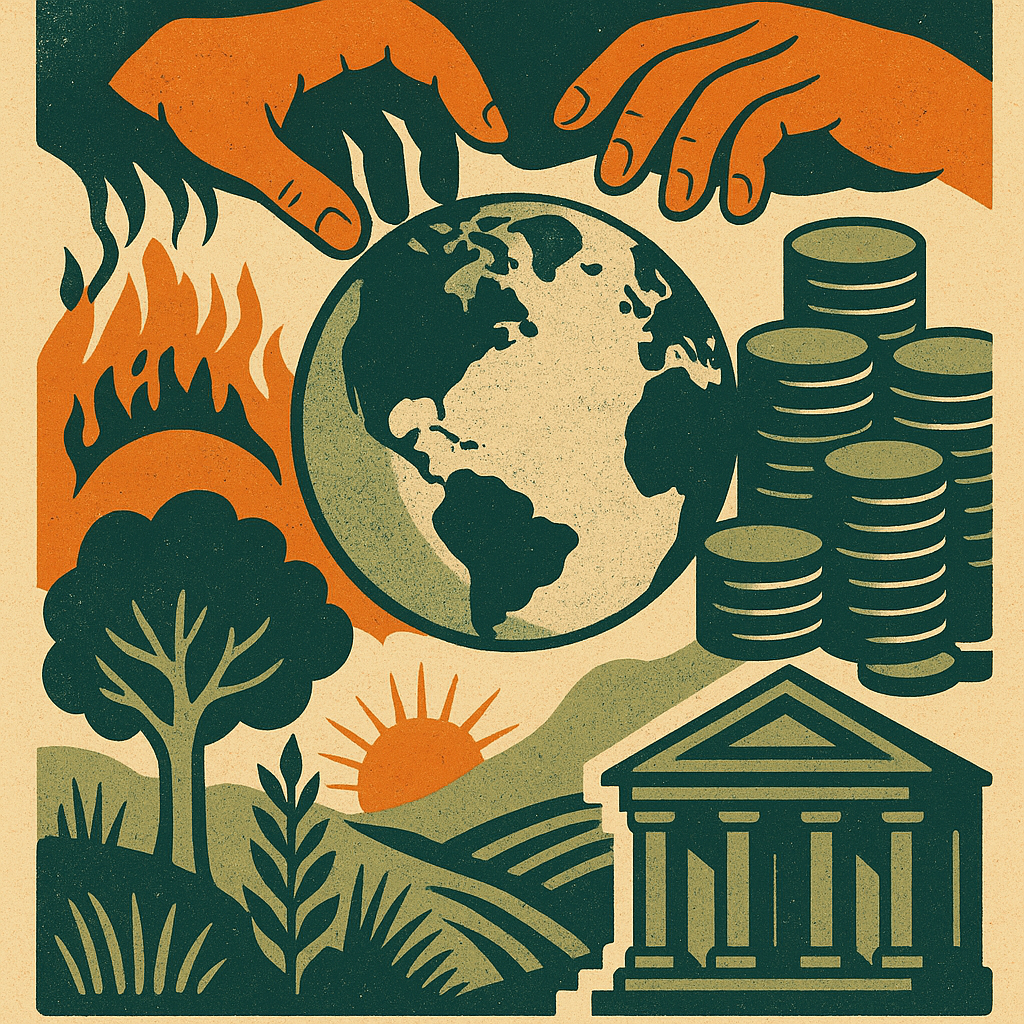
The post discusses the profound impact of money and debt on individual lives and the environment. It critiques the illusion of endless economic growth, emphasizing the importance of re-evaluating our relationship with capitalism. Thinkers like Joanna Macy advocate for active hope and deep ecology, promoting a collective responsibility to foster a sustainable future.
-

Zen and the Art of Dissatisfaction – PART 9.
The article explores human dissatisfaction, rooted in Buddhist philosophy. It discusses the nature of suffering, the illusion of self, and methods to engage with dissatisfaction. Emphasizing awareness and acceptance rather than material solutions, it suggests that understanding impermanence may lead to liberation from suffering, ultimately challenging our perceptions of identity and existence.
-

Zen and the Art of Dissatisfaction – PART 8.
The text discusses the “self illusion,” a concept explored by philosopher David Loy, suggesting that dissatisfaction in life arises from our belief in an incomplete inner self. This notion is addressed through perspectives from psychology, Buddhism, and neuroscience, revealing that this psychological reality perpetuates our unhappiness and reinforces a fixed self that causes chronic discontent.
-

Zen and the Art of Dissatisfaction – Part 7.
Bruce Hood, an experimental psychologist, explores the concept of self and inner dialogue, arguing it is a psychological illusion shaped by cognitive processes. Consciousness includes awareness, attention, and reflective thinking. Voices in our minds guide, deceive, or shape our identities, raising questions about the reality of the self amid various mental challenges.
-

Zen and the Art of Dissatisfaction – Part 6.
Dutch historian Rutger Bregman, in his work ”Humankind: A Hopeful History,” argues that human nature is fundamentally good, challenging common narratives suggesting otherwise. His findings, supported by examples from WWII and hunter-gatherer societies, illustrate how cooperation and kindness prevail, raising questions about modern societal violence and governance despite inherent human kindness.
-

Zen and the Art of Dissatisfaction – Part 5.
The text explores the complex relationship between money, happiness, and cultural satisfaction. Through ethnographic experiences with the San people and insights from Helena Norberg-Hodge on Ladakh, it reveals that while wealth can provide freedom and opportunities, true contentment remains elusive, as both rich and poor face existential dissatisfaction shaped by societal changes.
-

Zen and the Art of Dissatisfaction – Part 4.
Around six million years ago, great apes adapted to a transforming environment, evolving into bipedal Homo species. Homo erectus emerged two million years ago, exhibiting significant traits like hairlessness and endurance running, enhancing hunting capabilities. This adaptability, combined with the use of tools and fire, enabled them to thrive as effective scavengers and hunters in…
-

Zen and the Art of Dissatisfaction – Part 3.
The post explores human dissatisfaction’s origins, linking it to cultural evolution during the Upper Palaeolithic era, around 70,000 years ago. While past communities showed contentment, modern humans exhibit dissatisfaction, driving innovation and exploration. This shift may signify the rise of Homo Non Satiatæ, a species perpetually seeking more.
-

Zen and the Art of Dissatisfaction – Part 2.
The Second Crisis highlights the urgent challenges posed by artificial intelligence, particularly its potential to amplify economic inequality and threaten democracy. As humanity navigates environmental crises, there’s a pressing need to reconsider work and wealth distribution, guided by ethical principles. The series intertwines ecological and spiritual reflections, aiming to address deep-rooted dissatisfaction in society.