Zen and the Art of Dissatisfaction – Part 28

AI Unemployment

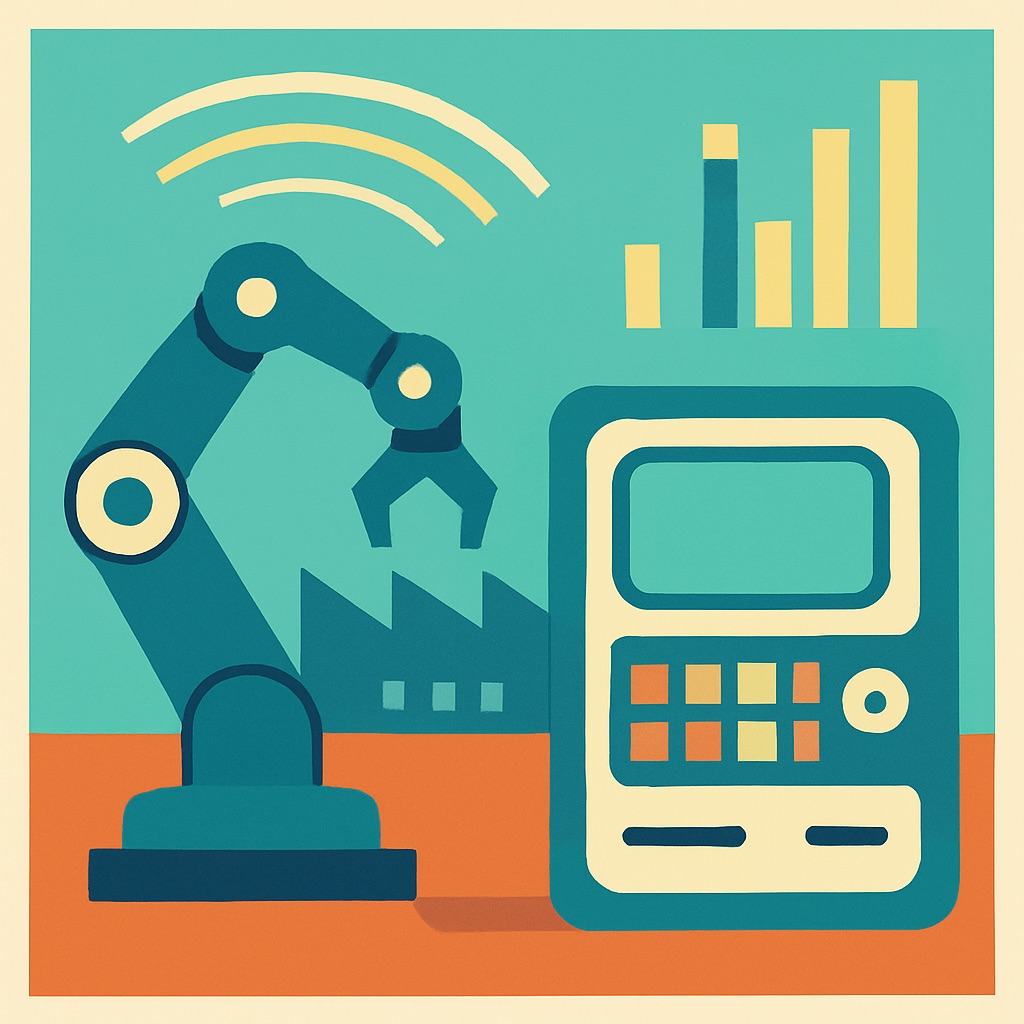
Artificial‑intelligence‑driven unemployment is becoming a pressing topic across many sectors. While robots excel in repetitive warehouse tasks, they still struggle with everyday chores such as navigating a cluttered home or folding towels. Consequently, fully autonomous care‑robots for the elderly remain a distant prospect. Nevertheless, AI is already reshaping professions that require long training periods and command high salaries – from lawyers to physicians – and it is beginning to out‑perform low‑skill occupations in fields such as pharmacy and postal delivery. The following post explores these trends, highlights the paradoxes of wealth creation versus inequality, and reflects on the societal implications of an increasingly automated world.

“A good person knows what is right. A lesser‑valued person knows what sells.”

– Confucius

Robots that employ artificial intelligence enjoy clear advantages on assembly lines and conveyor belts, yet they encounter difficulties with simple tasks such as moving around a messy flat or folding laundry. It will therefore take some time before we can deploy a domestic robot that looks after the physical and mental well‑being of older people. Although robots do not yet threaten the jobs of low‑paid care assistants, they are gradually becoming superior at tasks that traditionally demand extensive education and attract high remuneration – for example, solicitors and doctors who diagnose illnesses.

Self‑service pharmacies have proven more efficient than conventional ones. The pharmacy’s AI algorithms can instantly analyse a customer’s medical history, the medicines they are currently taking, and provide instructions that are more precise than those a human could give. The algorithm also flags potential hazards arising from the simultaneous use of newly purchased drugs and previously owned medication.

Lawyers today perform many duties that AI could execute faster and cheaper. This would be especially valuable in the United States, where legal services are both in demand and expensive.

The Unrelenting Learning Curve of Algorithms

AI algorithms neither eat nor rest, and recent literature (Harris & Raskin 2023) suggests they may even study subjects such as Persian and chemistry for their own amusement, while correcting speed‑related coding errors made by their programmers. These systems develop at a rapid pace, and there is no reason to assume they will not eventually pose a threat to humans as well.

People are inherently irrational and absent‑minded. Ironically, AI has shown that we are also terrible at using search terms. Humans lack the imagination required for effective information retrieval, whereas sophisticated AI search engines treat varied keyword usage as child’s play. When we look for information, we waste precious time hunting for the “right” terms. Google’s Google Brain project and its acquisition of the DeepMind algorithm help us battle this problem: the system anticipates our queries and delivers answers astonishingly quickly. Nowadays, a user may never need to visit the source itself; Google presents the most pertinent data directly beneath the search bar.

Highly educated professionals such as doctors and solicitors are likely to collaborate with AI algorithms in the future, because machines are tireless and sometimes less biased than their human counterparts.

Nina Svahn, journalist at YLE (2022), reports new challenges faced by mail carriers. Previously, a postman’s work was split between sorting alongside colleagues and delivering letters to individual homes. Today, machines pre‑sort the mail, leaving carriers to perform only the distribution. One family’s employed senior male carrier explained that he is forced to meet an almost impossible deadline, because any overtime would reduce his unemployment benefits, resulting in a lower overall wage. Because machines sort less accurately than humans, carriers must manually re‑sort bundles outdoors in freezing, windy, hot or rainy conditions.

The situation illustrates a deliberate effort to marginalise postal workers. Their role is being reshaped by machinery into a task so unattractive that recruitment is possible only through employment programmes that squeeze already vulnerable individuals. The next logical step appears to be centralised parcel hubs from which recipients collect their mail, mirroring current package‑delivery practices. Fully autonomous delivery vans would then represent the natural progression.

Wealth Generation and Distribution

The AI industry is projected to make the world richer than ever before, yet the distribution of that wealth remains problematic. Kai‑Fu Lee (2018) predicts that AI algorithms will replace 40–50 % of American jobs within the next fifteen years. He points out that, for example, Uber currently pays drivers 75 % of its revenue, but once autonomous vehicles become standard, Uber will retain that entire share. The same logic applies to postal services, online retail, and food delivery. Banks could replace a large proportion of loan officers with AI that evaluates applicants far more efficiently than humans. Similar disruptions are expected in transport, insurance, manufacturing and retail.

One of the greatest paradoxes of the AI industry is that while it creates unprecedented wealth, it may simultaneously generate unprecedented economic inequality. Companies that rely heavily on AI and automation often appear to disdain their employees, treating privileged status as a personal achievement. Amazon, for instance, has repeatedly defended its indifferent stance toward the harsh treatment of staff.

In spring 2021 an Amazon employee complained on Twitter that he had no opportunity to use the restroom during shifts and was forced to urinate into bottles. Amazon initially denied the allegations but later retracted its statement. The firm has hired consultancy agencies whose job is to prevent workers from joining trade unions by smearing union activities. Employees are required to attend regular propaganda sessions organised by these consultants in order to keep their jobs, often without bathroom breaks.

Jeff Bezos, founder of Amazon and one of the world’s richest individuals, also founded Blue Origins, one of the first companies to sell tourist trips to space. Bezos participated in the inaugural flight on 20 July 2021. Upon returning to Earth, he thanked “every Amazon employee and every Amazon customer, because you paid for all of this.” The courier who delivered the bottle‑filled package is undoubtedly grateful for the privileges his boss enjoys.

Technological Inequality Across Nations

Technological progress has already rendered the world more unequal. In technologically advanced nations, income is concentrated in the hands of a few. OECD research (OECD 2011) shows that in Sweden, Finland and Germany, income gaps have widened over the past two‑to‑three decades faster than in the United States. Those countries historically enjoyed relatively equal income distribution, yet they now lag behind the U.S. The trend is similar worldwide.

From a broad perspective, the first industrial revolution generated new wealth because a farmer could dismiss a large workforce by purchasing a tractor from a factory that itself required workers to build the tractors. Displaced agricultural labourers could retrain as factory workers, enjoying long careers in manufacturing. Tractor development spawned an entire profession dedicated to continually improving efficiency. Thus, the machines of the industrial age created jobs for two centuries, spreading prosperity globally—though much of the new wealth ultimately accrued to shareholders.

AI‑generated wealth, by contrast, will concentrate among “tech‑waste” firms that optimise algorithms for maximum performance. These firms are primarily based in the United States and China. Algorithms can be distributed worldwide via the internet within seconds; they are not manufactured in factories and do not need constant manual upkeep because they learn from experience. The more work they perform, the more efficient they become. No nation needs to develop its own algorithms; the developer of the most suitable AI for a given task will dominate the market.

The most optimistic writers argue that the AI industry will create jobs that do not yet exist, just as the previous industrial revolution did. Yet AI differs fundamentally from earlier technological shifts. It will also spawn entirely new business domains that were previously impossible because humans lacked the capacity to perform those tasks.

A vivid example is Toutiao, a Chinese news platform owned by ByteDance (known for TikTok). Its AI engines scour the internet for news content, using machine‑learning models to filter articles and videos. Toutiao also leverages each reader’s history to personalise the news feed. Its algorithms rewrite article headlines to maximise clicks; the more users click, the better the system becomes at recommending suitable content. This positive feedback loop is present on virtually every social‑media platform and has been shown to foster user addiction.

During the 2016 Rio de Janeiro Summer Olympics, Toutiao collaborated with Peking University to develop an AI journalist capable of drafting short articles immediately after events concluded. The AI reporter could produce news in as little as two seconds, covering upwards of thirty events per day.

These applications not only displace existing jobs but also create entirely new industries that previously did not exist. The result is a world that becomes richer yet more unequal. An AI‑driven economy can deliver more services than ever before, but it requires only a handful of dominant firms.

Conclusion

Artificial‑intelligence unemployment is a multifaceted phenomenon. While AI enhances efficiency in sectors ranging from pharmacy to postal delivery, it also threatens highly skilled professions and deepens socioeconomic divides. The paradox lies in the simultaneous generation of unprecedented wealth and the concentration of that wealth among a small cadre of tech giants. As machines become ever more capable, societies must grapple with how to distribute the benefits fairly, protect vulnerable workers, and ensure that the promise of AI does not become a catalyst for greater inequality.


Bibliography

  • Harris, J., & Raskin, L. (2023). The accelerating evolution of AI algorithms. Journal of Computational Intelligence, 15(2), 87‑102.
  • Lee, K.-F. (2018). AI Superpowers: China, Silicon Valley, and the New World Order. Houghton Mifflin Harcourt.
  • OECD. (2011). Income inequality and poverty in OECD countries. OECD Publishing. https://doi.org/10.1787/9789264082092-en
  • Svahn, N. (2022). New challenges for postal workers in the age of automation. YLE News. Retrieved from https://yle.fi/news

Zen and the Art of Dissatisfaction – Part 27

From Red Envelopes to Smart Finance

In recent years China has accelerated the intertwining of state‑led surveillance, artificial‑intelligence‑driven finance and ubiquitous digital platforms. The country’s 2017 cyber‑security law introduced harsher penalties for the unlawful collection and sale of personal data, raising the perennial question of how much privacy is appropriate in an era of pervasive digitisation. This post examines the legislative backdrop, the role of pioneering technologists such as Kai‑Fu Lee, the meteoric growth of platforms like WeChat, and the emergence of AI‑powered financial services such as Smart Finance. It also reflects on the broader societal implications of a surveillance‑centric model that is increasingly being mirrored in Western contexts.Subscribe

Originally published in Substack: https://substack.com/home/post/p-172666849

China began enforcing a new cyber‑security law in 2017. The legislation added tougher punishments for the illegal gathering or sale of user data. The central dilemma remains: how much privacy is the right amount in the age of digitalisation? There is no definitive answer to questions about the optimal level of social monitoring needed to balance convenience and safety, nor about the degree of anonymity citizens should enjoy when attending a theatre, dining in a restaurant, or travelling on the metro. Even if we trust current authorities, are we prepared to hand the tools for classification and surveillance over to future rulers?

Kai‑Fu Lee’s Perspective on China’s Data Openness

According to Taiwanese AI pioneer Kai‑Fu Lee (2018), China’s relative openness in collecting data in public spaces gives it a head start in deploying observation‑based AI algorithms. Lee’s background lends weight to his forecasts. His 1988 doctoral dissertation was a groundbreaking work on speech recognition, and from 1990 onward he worked at Apple, Microsoft and Google before becoming a private‑equity investor in 2009. This openness (i.e., the lack of privacy protection) accelerates the digitalisation of urban environments and opens the door to new OMO (online‑merge‑offline) applications in retail, security and transport. Pushing AI into these sectors requires more than cameras and data; creating OMO environments in hospitals, cars and kitchens demands a diverse array of sensor‑enabled hardware to synchronise the physical and digital worlds.

One of China’s most successful companies in recent years has been Tencent, which has been Asia’s most valuable firm since 2016. Its secret sauce is the messaging app WeChat, launched in January 2011 when Tencent already owned two other dominant social‑media platforms. Its QQ instant‑messaging service and Q‑Zone social network each boasted hundreds of millions of users.

WeChat initially allowed users to send photos, short voice recordings and text in Chinese characters, and it was built specifically for smartphones. As the user base grew, its functionalities expanded. By 2013 WeChat had 300 million users; by 2019 that figure rose to 1.15 billion daily active users. It introduced video calls and conference calls several years before the American WhatsApp (today owned by Meta). The app’s success rests on its “app‑within‑an‑app” principle, allowing businesses to create their own mini‑apps inside WeChat—effectively their own dedicated applications. Many firms have abandoned standalone apps and now operate entirely within the WeChat ecosystem.

Over the years, WeChat has captured users’ digital lives beyond smartphones, becoming an Asian “remote control” that governs everyday transactions: paying in restaurants, ordering taxis, renting city bikes, managing investments, booking medical appointments and even ordering prescription medication to the doorstep.

In honour of the Chinese New Year 2014, WeChat introduced digital red envelopes—cash‑filled gifts akin to Western Christmas presents. Users could link their bank accounts to WeChat Pay and send a digital red envelope, with the funds landing directly in the recipient’s WeChat wallet. The campaign prompted five million users to open a digital bank account within WeChat.

Competition from Alipay and the Rise of Cashless Payments

Another Chinese tech titan, Jack Ma, founder of Alibaba, launched the digital payment system Alipay back in 2004. Both Alipay and WeChat enabled users to request payments via simple, printable QR codes as early as 2016. This shift has transformed Chinese phone usage into a primary payment method, to the extent that homeless individuals now beg for money by displaying QR codes. In several Chinese cities cash has effectively disappeared for years.

WeChat and Alipay closely monitor users’ spending habits, building detailed profiles of consumer behaviour. China has largely bypassed a transitional cash‑payment stage: millions moved straight from cash to mobile payments without ever owning a credit card. While both platforms allow users to withdraw cash from linked bank accounts, their core services do not extend credit.

Lee (2018) notes the emergence of a service called Smart Finance, an AI‑powered application that relies solely on algorithms to grant millions of micro‑loans. The algorithm requires only access to the borrower’s phone data, constructing a consumption profile from seemingly trivial signals—such as typing speed, battery level and birthdate—to predict repayment likelihood.

Smart Finance’s AI does not merely assess the amount of money in a WeChat wallet or bank statements; it harvests data points that appear irrelevant to humans. Using these algorithmically derived credit indicators, the system achieves finer granularity than traditional scoring methods. Although the opaque nature of the algorithm prevents public scrutiny, its unconventional metrics have proven highly profitable.

As data volumes swell, these algorithms become ever more refined, allowing firms to extend credit to groups traditionally overlooked by banks—young people, migrant workers, and others. However, the lack of transparency means borrowers cannot improve their scores because the criteria remain hidden, raising fairness concerns.

Surveillance Society: Social Credit and Ethnic Monitoring

Lee reminds us that AI algorithms are reshaping society. From a Western viewpoint, contemporary China resembles a surveillance state where continuous monitoring and a social credit system are routine. Traffic violations can be punished through facial‑recognition algorithms, with fines deducted directly from a user’s WeChat account. WeChat itself tracks users’ movements, language and interactions, acting as a central hub for social eligibility monitoring.

A Guardian article by Johana Bhuiyan (2021) reported that Huaweifiled a July 2018 patent for technology capable of distinguishing whether a person belongs to the Han majority or the persecuted Uyghur minority. State‑contracted Chinese firm Hikvision has developed similar facial‑recognition capabilities for use in re‑education camps and at the entrances of nearly a thousand mosques. China denies allegations of torture and sexual violence against Uyghurs; estimates suggest roughly one million detainees in these camps.

AI‑enabled surveillance is commonplace in China and is gaining traction elsewhere. Amazon offers its facial‑recognition service Rekognition to various clients, although the U.S. police stopped using it in June 2020 amid protests against police racism and violence. Critics highlighted Rekognition’s difficulty correctly identifying gender for darker‑skinned individuals—a claim Amazon disputes.

Google’s image‑search facial‑recognition feature also faced backlash after software engineer Jacky Alciné discovered in 2015 that the system mislabelled African‑American friends as “gorillas.” After public outcry, Google removed the offending categories (gorilla, chimpanzee, ape) from its taxonomy (Vincent 2018).

Limits of Current AI and Future Outlook

Present‑day AI algorithms primarily excel at inference tasks and object detection. General artificial intelligence—capable of autonomous, creative reasoning—remains a distant goal. Nonetheless, we are only beginning to grasp the possibilities and risks of AI‑driven algorithms.

Is the Chinese surveillance model something citizens truly reject? Within China, the social credit system may be viewed positively by ordinary citizens who can boost their scores by paying bills promptly, volunteering and obeying traffic rules. In Europe, a quieter acceptance of similar profiling is emerging: we are already classified—often without our knowledge—through the data we generate while browsing the web. This silent consent fuels targeted advertising for insurance, lingerie, holidays, television programmes and even political persuasion. As long as we are unwilling to pay for the privilege of using social‑media platforms, those platforms will continue exploiting our data as they see fit.

Summary

China’s 2017 cyber‑security law set the stage for an expansive data‑collection regime that underpins a sophisticated surveillance economy. Visionaries like Kai‑Fu Lee highlight how openness in public‑space data fuels AI development, while corporate giants such as Tencent and Alibaba have turned messaging apps into all‑purpose digital wallets and service hubs. AI‑driven financial products like Smart Finance illustrate both the power and opacity of algorithmic credit scoring. Simultaneously, state‑backed facial‑recognition technologies target ethnic minorities, and the social‑credit system normalises continuous monitoring of everyday behaviour. These trends echo beyond China, with Western firms and governments experimenting with comparable surveillance tools. Understanding the interplay between legislation, corporate strategy and AI is essential for navigating the privacy challenges of our increasingly digitised world.


References

Bhuiyan, J. (2021). Huawei files patent to identify UyghursThe Guardian
Lee, K. F. (2018). AI superpowers: China, Silicon Valley, and the new world order. Harper Business. 
Vincent, J. (2018). Google removes offensive labels from image‑search resultsBBC.