Helsinki Zen – Peacemakers Finland

Not-Knowing – Bearing Witness – Loving Action

Siirry sisältöön
  • Koti
  • Jäseneksi
  • Opit
  • Meditaatio
    • Meditation
    • Meditaatio-ohjeita
  • Perimyslinja
  • Kirjasto
  • Henkilökunta
    • Sensei Mikko Ijäs
    • Maija Myōshō Ijäs
    • Frank De Waele -roshi
  • Tapahtumat
    • Zazenkai Vuosaaressa
    • Zen-rauhantekijäkoulutus
  • Resitaatiot
  • Kauppa
  • Contact
  • Blog
    • Zen and the Art of Dissatisfaction
    • Retreat Accounts
Haku

Bearing Witness retreats

Zen and the Art of Dissatisfaction –Part 38

3 helmikuun, 20263 helmikuun, 2026 / Mikko Ijäs / Jätä kommentti

Not-Knowing, Bearing Witness, Loving Action

This blog post continues directly from the previous post of Zen Master Bernie Glassman’s remarkable journey from aeronautic engineer to Zen teacher and social entrepreneur. Here, the focus turns to Glassman Roshi’s understanding of what peacemaking truly means, and how Buddhist practice can be embodied in everyday life without reliance on traditional monastic forms. Through community, work, and compassionate action, Glassman articulated a vision of Zen that meets the world as it is.

American Zen Teacher Bernie Glassman (1939–2018) believed that the most essential insights of Buddhism could be taught without traditional rituals or formal monastic structures. Above the bakery operated by the Greyston Bakery, there was a meditation hall where everyone was welcome to practise in the mornings before the bakery opened. The bakery’s primary purpose, however, was not spiritual instruction but the creation of better future for its employees.

Zen Practice Without Formalities

Bernie Glassman observed that the bakery’s workers learned everything they needed to know about Buddhism simply by working as part of a community. Through shared responsibility, mutual reliance, and daily interaction, the experience of oneness of life was embodied rather than taught as abstract doctrines.

From its inception, the core of the bakery’s work was the PathMaking programme. This programme divided the areas of life into five interconnected dimensions: spiritual growth, education, livelihood, family, and social action. Greyston recognised that not all employees wished to spend the rest of their lives working in the bakery. Instead, the organisation supported them in studying, developing skills, and finding appropriate solutions to reach their genuine life goals.

Some employees, for example, had become estranged from their families or from their own spiritual traditions. The bakery supported them in rebuilding these relationships. Equally important was the expectation that workers would act as active members of their communities and dedicate part of their time to charitable work.

This commitment extended to management, investors, and supporters, all of whom participated in charitable activities alongside other employees, either at the bakery or across its many affiliated sites.

Taizan Maezumi and the Evolution of Zen in the West

Bernie Glassman’s teacher, Taizan Maezumi, died unexpectedly in Tokyo in 1995. He had fallen asleep in a bath while intoxicated and drowned. Following Maezumi’s death, Glassman permanently relinquished the Japanese monastic tradition. At the same time, he stepped away from Greyston Bakery.

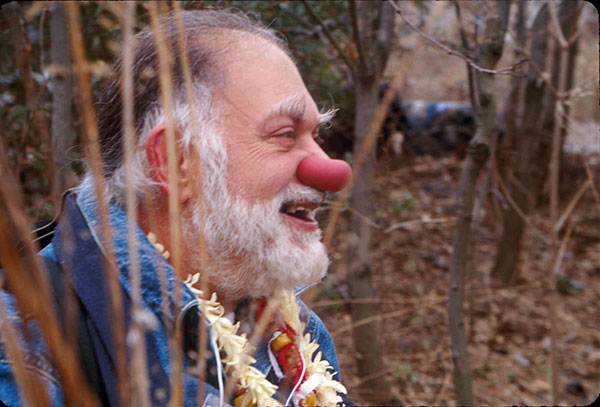
He founded his own Zen lineage, the Zen Peacemaker Order, grew his hair and beard long, and never again wore the traditional black monk’s robe.

Over the years, Bernie himself underwent profound personal change. Initially, he was known as a stubborn and highly innovative spiritual teacher and entrepreneur who demanded a great deal from everyone and usually got his way. However, after the sudden death of his wife, Sandra Jishu Angyo Holmes (1941–1998), he collapsed entirely.

After surviving the grief caused by his wife’s death, he transformed as a person and did everything he could to make amends for the mistakes of his past. Above all, he regretted how he had neglected his children’s needs while they lived in Los Angeles, having devoted all his time to his work as a rocket engineer and Zen priest. From then on, he consistently emphasised to his students with families that the wellbeing of children must always take precedence over everything else.

Maezumi played a central role in the spread of Zen Buddhism in the Western world. The Zen lineage he founded, White Plum Asanga, is among the largest in the West. He was also a radical figure within his own time and tradition.

Maezumi stated that no form of practice should ever be called a ”traditional way”, because such a thing does not truly exist. Tradition extends only as far back as one’s own teacher. A practitioner can never know how Zen was taught or practised before that point. Therefore, every teacher’s responsibility is to find new methods that help students realise the interconnectedness and unity of life.

In addition to Glassman’s Zen Peacemaker lineage, Maezumi’s twelve successors developed their own distinctive approaches to Zen teaching. These include Dennis Genpo Merzel, John Daido Loori, who emphasised artistic practice, and Charlotte Joko Beck, founder of the psychologically oriented Ordinary Mind lineage.

The Three Tenets of Zen Peacemaking

At the heart of the Zen Peacemaker practice initiated by Bernie Glassman and his wife Jishu Holmes is the integration of traditional Zen practice into everyday life, including work, intimate relationships, civic engagement, activism, and charity.

Beyond traditional forms, practitioners are encouraged to engage in charitable work, such as volunteering in organisations where they come into contact with society’s most marginalised people, including those experiencing homelessness, illness, or imprisonment.

Central to this practice are the Three Tenets of the Zen Peacemaker:

  • Not-Knowing: Letting go of fixed ideas, assumptions, and preconceptions.
  • Bearing Witness: Opening one’s heart fully to the joy and suffering of the world.
  • Loving Action: Compassionate action that naturally arises as one releases their assumptions and genuinely acts from the state of Not-Knowing and Bearing Witness.

These three principles serve as ethical and practical guidelines for human interaction and for engaging with large-scale suffering, such as genocide or ecological collapse.

According to Bernie Glassman, Zen practice opens a person to experience, realise, and verify what they truly are. As a Zen teacher, Glassman consistently asked himself what new forms of practice he could develop to help people experience the unity and interconnectedness of life. Bernie repeatedly posed questions such as: What sustains our experience of separation? What maintains our belief that we are always right? What prevents us from seeing the oneness of life? What stops us from appreciating everything exactly as it is? Which forms of practice could help all people experience the interconnectedness of life?

He also stressed that we should never wait to be enlightened to do something. We are all enlightened to begin with. In Bernies words: we have all the ingredients we need, so why wait?

Today’s Zen Peacemaker teachers are former students of Bernie Glassman and their own students. Glassman appointed more than thirty senior Zen teachers, or roshis. The group is notably diverse, consisting of Christians, Jews, and Muslims who have studied Zen while carrying their own spiritual and cultural backgrounds as integral parts of their practice.

In addition to traditional Zen practices, Zen Peacemakers regularly organise and participate in Bearing Witness retreats at sites of genocide, including Rwanda, Bosnia, Auschwitz, and prison camps established after the Finnish Civil War. They have also organised retreats with the Native Americans and a retreat dealing with Racism in America.

Peacemakers also organise street retreats, during which participants live on the streets for several days without permanent shelter, money, wallets, or mobile phones. The intention is to glimpse how we habitually protect ourselves through money, housing, and other structures that prevent us from recognising the oneness of life. At the same time, participants gain insight into the lived realities of people experiencing homelessness and into the networks of support that enable them to survive.

Conclusion

Bernie Glassman’s vision of Zen practice radically challenges conventional boundaries between spiritual life and everyday householder life. By integrating meditation, work, community engagement, and compassionate action, he articulated a form of Buddhism that does not retreat from suffering but meets it directly. Through not-knowing, bearing witness, and loving action, Zen Peacemaking offers a living response to individual and collective pain, grounded in the recognition of life’s deep and inescapable interconnectedness.


References

Glassman, B. & Marko, E. (1997). Bearing witness: A Zen master’s lessons in making peace. Bell Tower.
Glassman, B., & Fields, R. (1996). Instructions to the cook: A Zen master’s lessons in living a life that matters. Bell Tower.
Maezumi, H. T., & Glassman, B. (2007). Appreciate your life: The essence of Zen practice. Wisdom Publications.


Create a website or blog at WordPress.com tekijä Anders Norén.
  • Tilaa Tilattu
    • Helsinki Zen - Peacemakers Finland
    • Already have a WordPress.com account? Log in now.
    • Helsinki Zen - Peacemakers Finland
    • Tilaa Tilattu
    • Kirjaudu
    • Kirjaudu sisään
    • Ilmoita sisällöstä
    • Näytä sivu lukijassa
    • Hallitse tilauksia
    • Pienennä tämä palkki
 

Ladataan kommentteja...