Kategoria: Zen and the Art of Dissatisfaction
-

Zen and the Art of Dissatisfaction – Part 41
This post examines the use of psychedelic substances from both historical and scientific perspectives. In many indigenous cultures, altered states of consciousness have been central to healing practices and religious rituals, often achieved through dancing, breathing techniques, or the use of psychedelic plants. In the twentieth century, modern science began investigating these phenomena after Albert…
-

Zen and the Art of Dissatisfaction – 40
Altered States of Consciousness in Indigenous Cultures Altered states of consciousness have played an important role in many human cultures throughout history. While modern societies often associate such experiences with psychoactive substances, numerous Indigenous traditions achieve similar states through meditation, movement, rhythm, and collective ritual practices. Anthropological research has documented how these altered states can…
-

Zen and the Art of Dissatisfaction – Part 39
The Disrupted Way of Shamanic Life Imagine living in the desert with twenty-five to fifty of your closest relatives. The social pressures of such intimate, constant coexistence would, for most of us, be overwhelming. For the San people of the Kalahari Desert, the primary method of releasing this tension was not therapy, nor alcohol, nor…
-

Zen and the Art of Dissatisfaction –Part 38
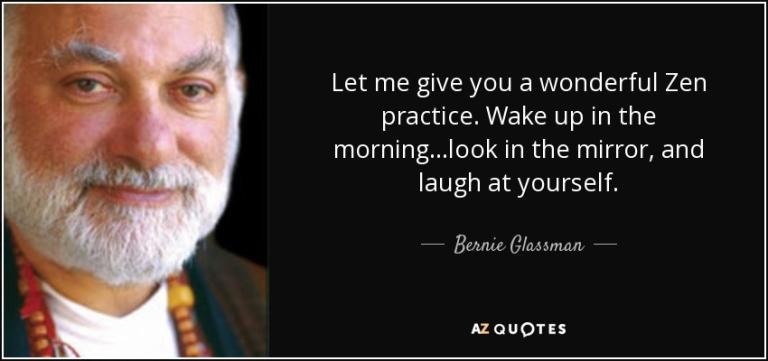
Zen Master Bernie Glassman had a remarkable journey from aeronautic engineer to Zen teacher and social entrepreneur. Here, the focus turns to Glassman Roshi’s understanding of what peacemaking means, and how Buddhist practice can be embodied in everyday life without reliance on traditional monastic forms.
-
Zen and the Art of Dissatisfaction – Part 37
Bernie Glassman (1939–2018) was an American engineer, Zen teacher and social entrepreneur. His work—such as the Greyston Bakery—combined personal insight with societal transformation. Glassman stressed the realisation of the bodhisattva ideal, offering assistance with social challenges such as poverty and substance abuse.
-

Zen and the Art of Dissatisfaction – Part 36
This exploration examines the interplay between perception, duality, and oneness through insights from ancient traditions and modern interpretations. It highlights how economic systems disrupt unity, fostering dissatisfaction. Through spiritual practices, individuals can gradually awaken to interconnectedness, overcoming misaligned perceptions shaped by social constructs, ultimately revealing profound truths of existence.
-

Zen and the Art of Dissatisfaction – Part 35
Losing Myself and My Suitcase This post explores how the stories our minds create – stories of guilt, inadequacy, or fear – can become far heavier burdens than the events that inspire them. A lost suitcase, a moment of confusion in a foreign railway station, or a lapse in attentiveness can transform into a mental…
-

Zen and the Art of Dissatisfaction – Part 34
In the face of climate change, technological advancements, and social inequities, simple spiritual practices offer guidance. Eastern philosophies highlight interconnectedness, encouraging peace within and without. Embracing sorrow leads to meaningful action, fostering awareness and compassion. A peacemaker listens, acts responsibly, and strives for justice, ultimately contributing to a more harmonious future.
-

Zen and the Art of Dissatisfaction – Part 33
The Eastern Band of Cherokee experienced remarkable transformations after opening a profitable casino, providing community members with a form of unconditional basic income. This financial security led to significant improvements in children’s mental health, behavior, and school performance, reinforcing the idea that poverty stems from lack of resources, not personal failings.
-

Zen and the Art of Dissatisfaction – Part 32
Unemployment significantly affects individuals and society, causing financial instability, mental health issues, and intergenerational trauma. Society’s stigma surrounding unemployment exacerbates feelings of worthlessness. Addressing economic inequality and poverty is essential for improving public health and reducing childhood trauma, leading to better outcomes for future generations and a healthier society overall.