Tekijä: Sensei Mikko
-

Zen and the Art of Dissatisfaction – Part 28
This post was written by
AI Unemployment Artificial‑intelligence‑driven unemployment is becoming a pressing topic across many sectors. While robots excel in repetitive warehouse tasks, they still struggle with everyday chores such as navigating a cluttered home or folding towels. Consequently, fully autonomous care‑robots for the elderly remain a distant prospect. Nevertheless, AI is already reshaping professions that require long training…
-

Zen and the Art of Dissatisfaction – Part 27
This post was written by
From Red Envelopes to Smart Finance In recent years China has accelerated the intertwining of state‑led surveillance, artificial‑intelligence‑driven finance and ubiquitous digital platforms. The country’s 2017 cyber‑security law introduced harsher penalties for the unlawful collection and sale of personal data, raising the perennial question of how much privacy is appropriate in an era of pervasive…
-

Zen and the Art of Dissatisfaction – Part 26
This post was written by
The battle for AI supremacy among tech giants centers around data access, raising ethical concerns about privacy and the hidden exploitation of micro-workers. Advanced algorithms manipulate user behavior for profit, often promoting misinformation. Regulatory awareness and ethical frameworks are crucial to ensure technology serves human interests rather than addiction and division.
-
Zen and the Art of Dissatisfaction – Part 25
This post was written by
The post examines the implications of exponential technological growth on humanity, focusing on automation, artificial intelligence, and biotechnology. It discusses philosophical dilemmas regarding human dependency on machines, referencing Moore’s law and transhumanism. Central questions involve the balance between technological progress and preserving human autonomy amid rapid advancements in AI capabilities and societal changes.
-

Zen and the Art of Dissatisfaction – Part 24
This post was written by
The concept of work in Western societies has evolved yet remains fundamentally unchanged, leading to dissatisfaction due to excessive labor and inadequate compensation. Automation and AI pose significant threats to both manual and skilled professions, raising ethical concerns. The future of work depends on balancing technological advances with human interests.
-

Zen and the Art of Dissatisfaction – 23
This post was written by
This post analyzes the implications of data-driven decision-making in today’s high-paying jobs, elucidating the risks of complex versus simple algorithms. It showcases how automation threatens both unskilled and skilled labor while discussing the ethical dilemmas surrounding AI’s role in professional sectors such as law and medicine, stressing the need for transparency and fairness.
-

Zen and the Art of Dissatisfaction – Part 22
This post was written by
This post examines the evolution and impact of artificial intelligence, particularly large language models, in sectors like healthcare and marketing. It discusses key examples such as IBM’s Watson and Google Flu Trends, highlighting the importance of human oversight despite AI’s advancements. The risks and promises of AI in decision-making are also addressed.
-

Zen and the Art of Dissatisfaction – Part 21
This post was written by
Data serves as the new oil of the digital age, driving economic growth and capturing the digital behavioral surplus of users. While European regulations like GDPR strive for privacy, companies in China exploit data with fewer restrictions, leading to competitive advantages. Innovators like Jeff Hammerbacher aim to leverage data for societal benefit, particularly in mental…
-
Zen and the Art of Dissatisfaction – Part 20
This post was written by
This blog post discusses the interconnected crises of modern civilization—ecological, technological, and political—highlighting themes of data manipulation and surveillance. It examines how personal data has become a powerful tool for influence, emphasizing the urgent need to understand its role within contemporary challenges and the implications for individual privacy and autonomy.
-
Encounters Without Preconceptions
This post was written by
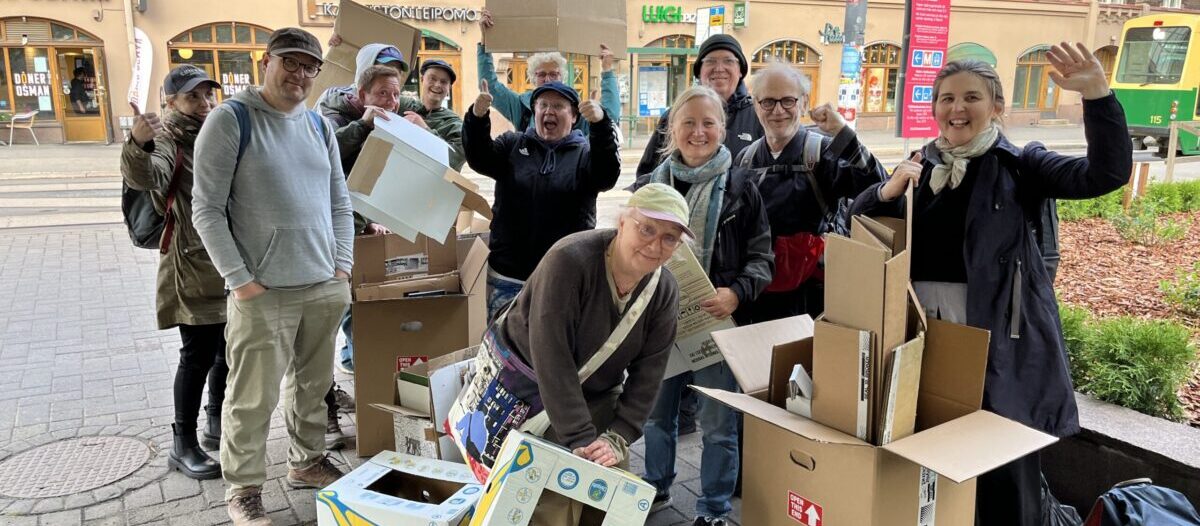
Kikka Rytkönen reflects on a transformative retreat, finding unexpected engagement in various religious experiences and the importance of approaching situations without preconceptions. The connection with others, moments of vulnerability while begging, and the sense of community during rituals enriched her journey. Ultimately, the experience fostered liberation from material concerns and a deeper bond among participants.