Tekijä: senseimikko
-
Zen and the Art of Dissatisfaction – Part 22
This post examines the evolution and impact of artificial intelligence, particularly large language models, in sectors like healthcare and marketing. It discusses key examples such as IBM’s Watson and Google Flu Trends, highlighting the importance of human oversight despite AI’s advancements. The risks and promises of AI in decision-making are also addressed.
-

Zen and the Art of Dissatisfaction – Part 21
Data serves as the new oil of the digital age, driving economic growth and capturing the digital behavioral surplus of users. While European regulations like GDPR strive for privacy, companies in China exploit data with fewer restrictions, leading to competitive advantages. Innovators like Jeff Hammerbacher aim to leverage data for societal benefit, particularly in mental…
-

Zen and the Art of Dissatisfaction – Part 20
This blog post discusses the interconnected crises of modern civilization—ecological, technological, and political—highlighting themes of data manipulation and surveillance. It examines how personal data has become a powerful tool for influence, emphasizing the urgent need to understand its role within contemporary challenges and the implications for individual privacy and autonomy.
-
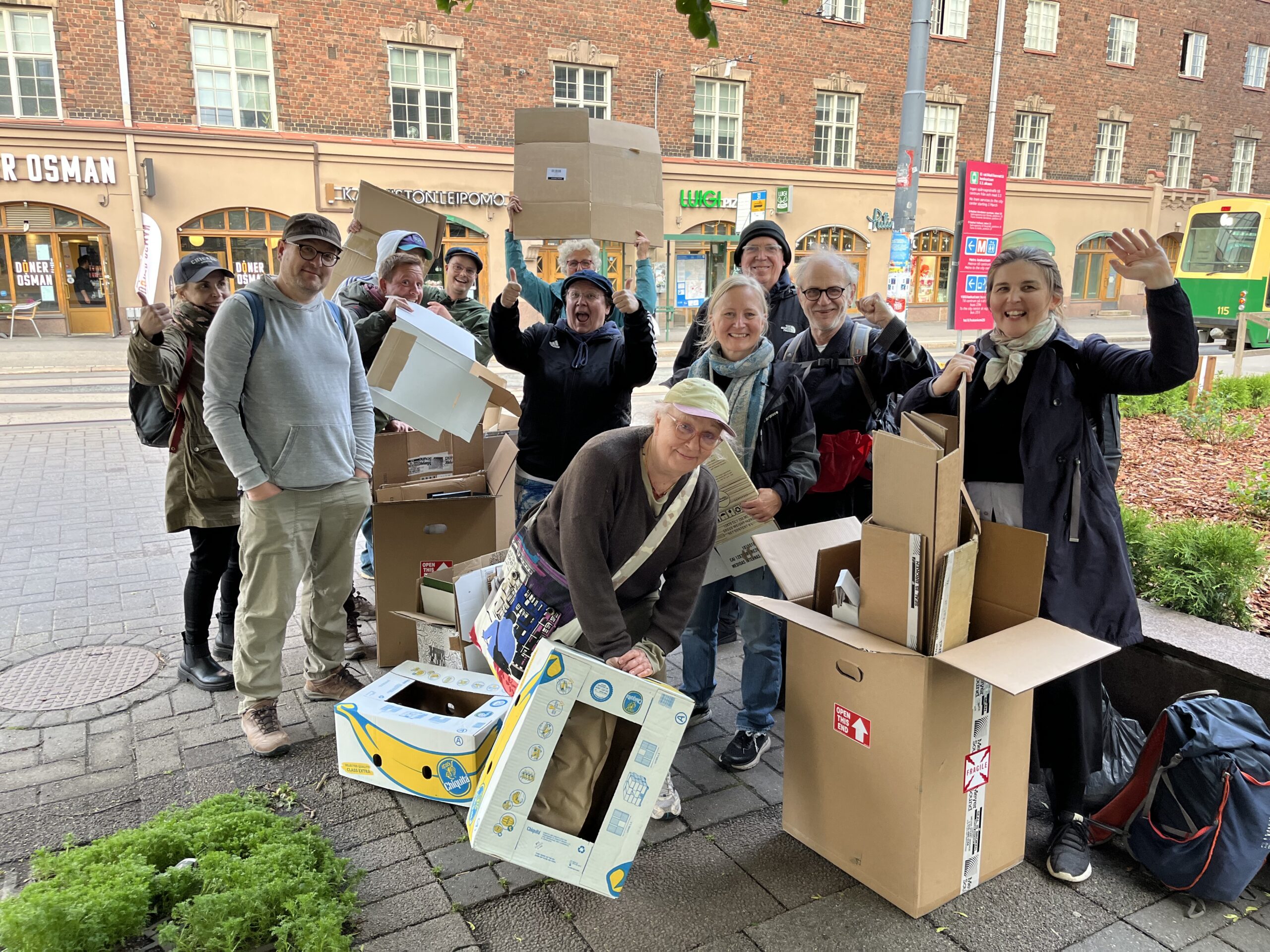
Encounters Without Preconceptions
Kikka Rytkönen reflects on a transformative retreat, finding unexpected engagement in various religious experiences and the importance of approaching situations without preconceptions. The connection with others, moments of vulnerability while begging, and the sense of community during rituals enriched her journey. Ultimately, the experience fostered liberation from material concerns and a deeper bond among participants.
-
Kohtaamisia ilman ennakkoluuloja
Kikka Rytkönen pohtii osallistumistaan retriittiin, jossa hän löysi yllättävää kiinnostusta erilaisiin uskontoihin ja oppi, kuinka tärkeää on kohdata tilanteet ilman ennakkokäsityksiä. Yhteys toisiin ihmisiin, kerjäämisen herättämät haavoittuvuuden hetket ja rituaaleissa koettu yhteisöllisyys syvensivät matkaa. Lopulta kokemus toi vapautta materiaalisista huolista ja lujitti osallistujien välistä yhteenkuuluvuutta.
-
Zen and the Art of Dissatisfaction – Part 19
The post discusses the detrimental effects of industrial animal agriculture on biodiversity, climate change, and public health. It highlights the underestimated contributions of livestock farming to greenhouse gas emissions, antibiotic resistance, and zoonotic diseases. It emphasizes human cognitive limits in addressing these interconnected crises and calls for a deeper understanding of our environmental impact.
-
Zen and the Art of Dissatisfaction – Part 18
Human activities have historically driven megafauna and marine species to extinction, from prehistoric times to modern industry. Evidence suggests that early humans disrupted ecological balance, with severe consequences for various species. Exploitation continues today, particularly with bluefin tuna and whale populations, highlighting the urgent need to reassess our environmental impact and promote sustainable practices.
-

Zen and the Art of Dissatisfaction – Part 17
The article explores the intricate lives of prehistoric humans through archaeological findings, highlighting significant sites and artifacts, such as the Sungir grave and Lascaux cave paintings. It examines their cultural practices, monumental structures, and the extinction of megafauna, revealing a rich tapestry of early human existence and ingenuity across various regions.
-
Zen and the Art of Dissatisfaction – Part 16
The post highlights the urgent need to address ecological crises, particularly the sixth mass extinction caused by human actions. It emphasizes interconnectedness in nature, urging individuals and leaders to acknowledge the consequences of their choices and take immediate action for a sustainable future. Ancient wisdom offers lessons for humanity’s survival and responsibility.
-
Zen and the Art of Dissatisfaction – Part 15
Naomi Klein argues for redirecting fossil fuel wealth to develop sustainable infrastructure and restore natural habitats. She highlights the critical transition from stable Holocene climate, supporting agriculture and civilization, to the unpredictable Anthropocene caused by human activity. Climate change threatens global food security and requires collective action for a sustainable future.