Avainsana: poetry
-

Zen and the Art of Dissatisfaction – Part 29
This post was written by
The concentration of wealth among the richest individuals is primarily rooted in traditional industries, rather than AI. The COVID-19 pandemic accelerated wealth growth for the ultra-rich, raising concerns about income inequality and the nature of work. Solutions like universal basic income and wealth redistribution are proposed to address these challenges.
-

Zen and the Art of Dissatisfaction – 23
This post was written by
This post analyzes the implications of data-driven decision-making in today’s high-paying jobs, elucidating the risks of complex versus simple algorithms. It showcases how automation threatens both unskilled and skilled labor while discussing the ethical dilemmas surrounding AI’s role in professional sectors such as law and medicine, stressing the need for transparency and fairness.
-

Zen and the Art of Dissatisfaction – Part 22
This post was written by
This post examines the evolution and impact of artificial intelligence, particularly large language models, in sectors like healthcare and marketing. It discusses key examples such as IBM’s Watson and Google Flu Trends, highlighting the importance of human oversight despite AI’s advancements. The risks and promises of AI in decision-making are also addressed.
-
Zen and the Art of Dissatisfaction – Part 19
This post was written by
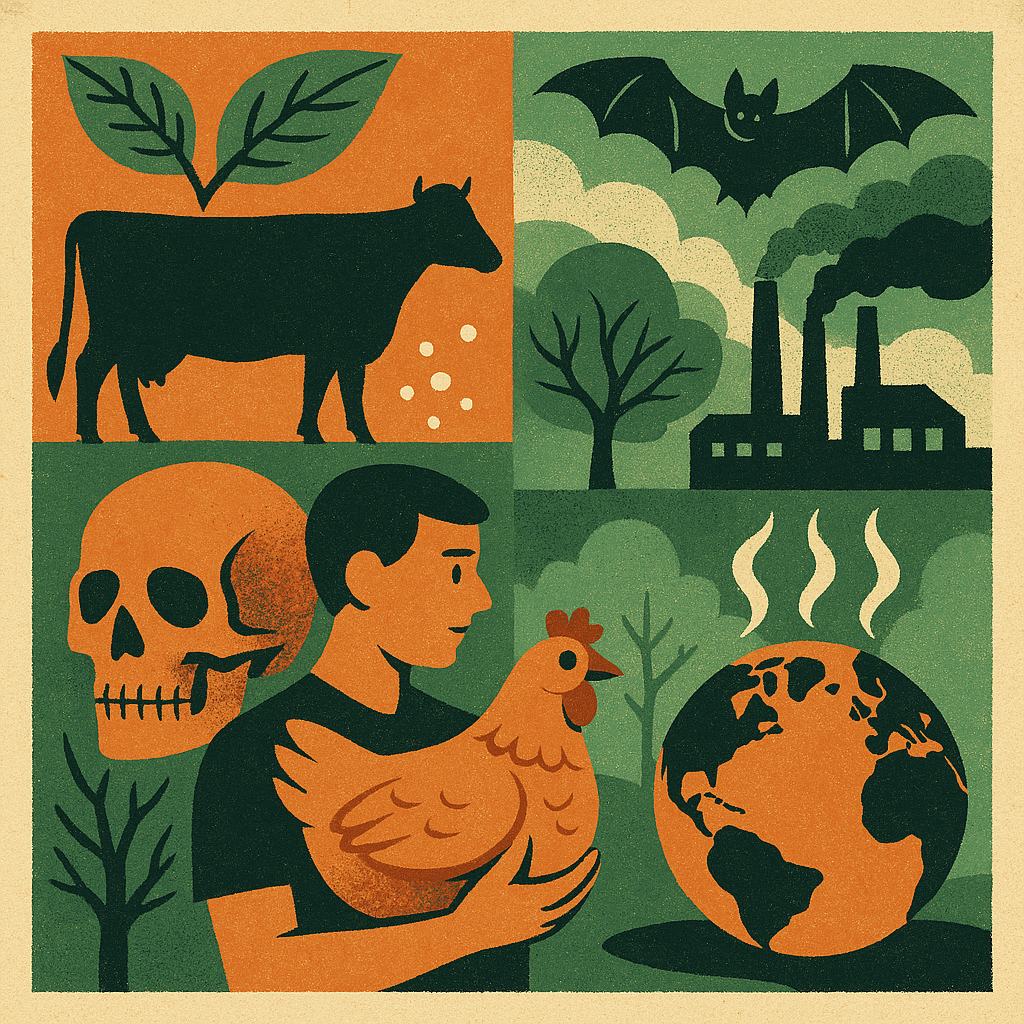
The post discusses the detrimental effects of industrial animal agriculture on biodiversity, climate change, and public health. It highlights the underestimated contributions of livestock farming to greenhouse gas emissions, antibiotic resistance, and zoonotic diseases. It emphasizes human cognitive limits in addressing these interconnected crises and calls for a deeper understanding of our environmental impact.
-

Zen and the Art of Dissatisfaction – Part 16
This post was written by
The post highlights the urgent need to address ecological crises, particularly the sixth mass extinction caused by human actions. It emphasizes interconnectedness in nature, urging individuals and leaders to acknowledge the consequences of their choices and take immediate action for a sustainable future. Ancient wisdom offers lessons for humanity’s survival and responsibility.
-

Zen and the Art of Dissatisfaction – Part 15
This post was written by
Naomi Klein argues for redirecting fossil fuel wealth to develop sustainable infrastructure and restore natural habitats. She highlights the critical transition from stable Holocene climate, supporting agriculture and civilization, to the unpredictable Anthropocene caused by human activity. Climate change threatens global food security and requires collective action for a sustainable future.
-
Zen and the Art of Dissatisfaction – Part 14
This post was written by
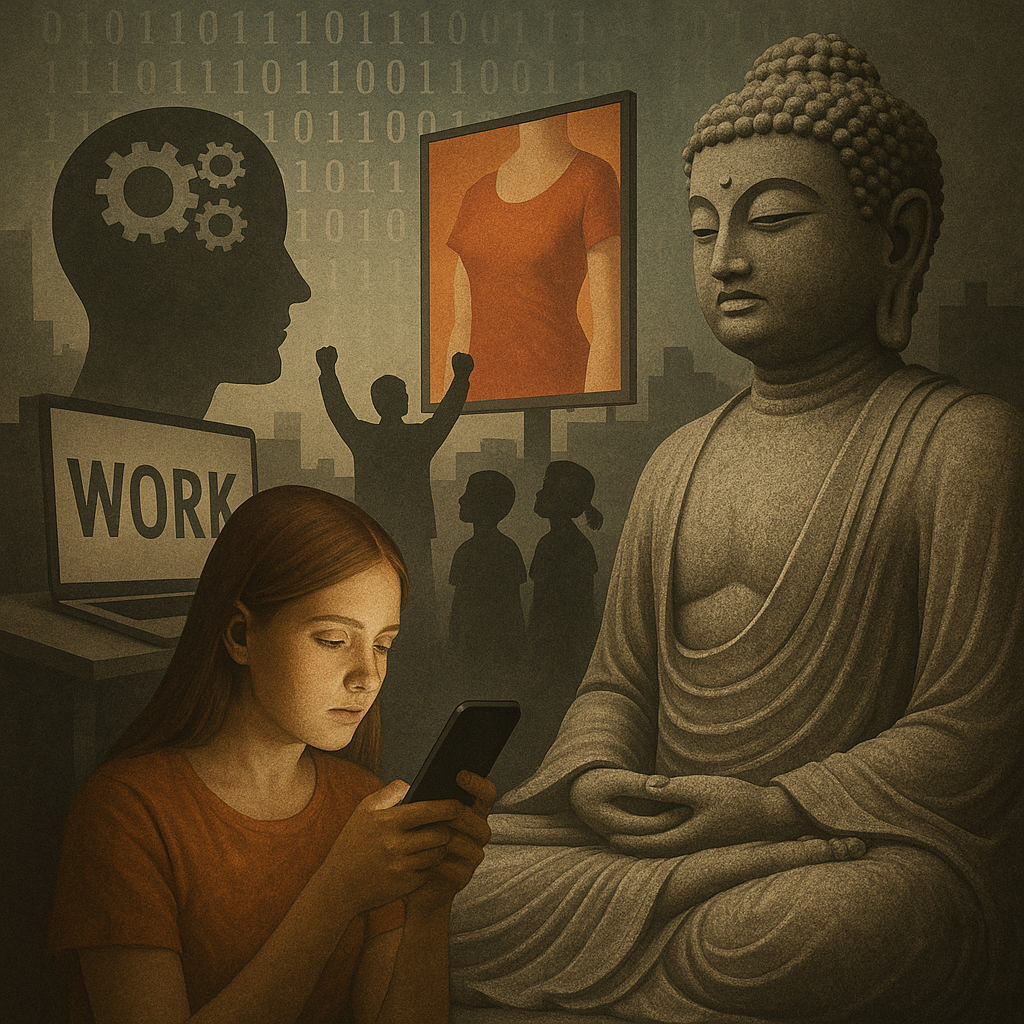
The post examines the paradox of technological advancement leading to increased dissatisfaction, highlighting how artificial intelligence and corporate practices manipulate human desires. It critiques surveillance capitalism, ”bullshit jobs,” and advertising’s role in fostering social disconnection, ultimately arguing for a reassessment of capitalism’s impact on human well-being and ecological sustainability.
-

Zen and the Art of Dissatisfaction – Part 11.
This post was written by
This essay explores the complex origins of money, examining its role as a trust-based system shaped by debt and inequality. It delves into historical perspectives from figures like Graeber, Rousseau, and Hobbes, revealing how monetary systems have evolved amidst exploitation and ecological harm, urging a reevaluation of our values for a sustainable future.
-

Zen and the Art of Dissatisfaction – PART 8.
This post was written by
The text discusses the “self illusion,” a concept explored by philosopher David Loy, suggesting that dissatisfaction in life arises from our belief in an incomplete inner self. This notion is addressed through perspectives from psychology, Buddhism, and neuroscience, revealing that this psychological reality perpetuates our unhappiness and reinforces a fixed self that causes chronic discontent.