Helsinki Street Retreat 2026
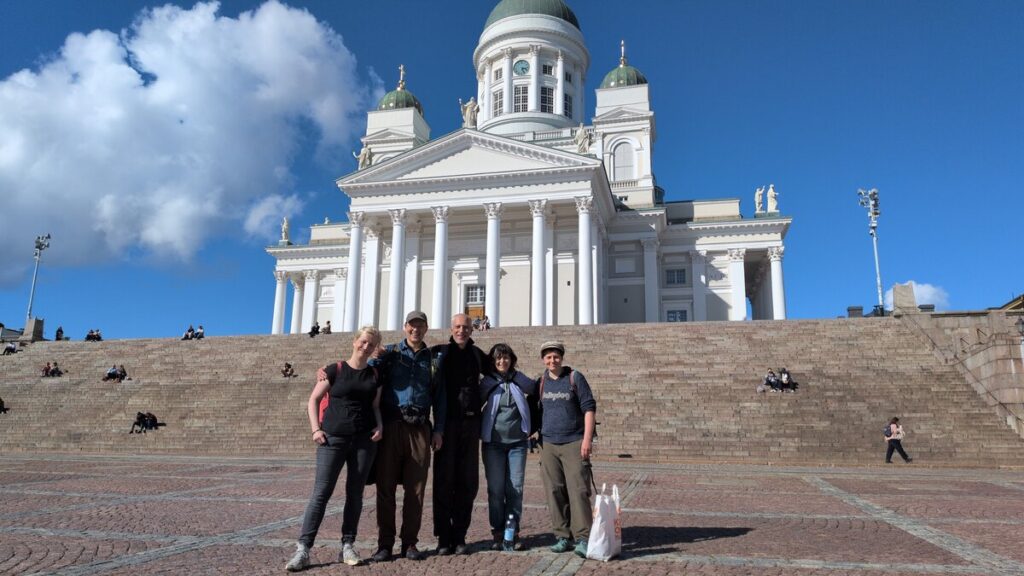
We ended our Street Retreat yesterday on Saturday September 5. It is very difficult to verbalise anything coherent. My heart feels vast and open from all the amazing encounters we had. The most meaningful moments were the talks we had with people experiencing homelessness every day. I was so moved by all of it.
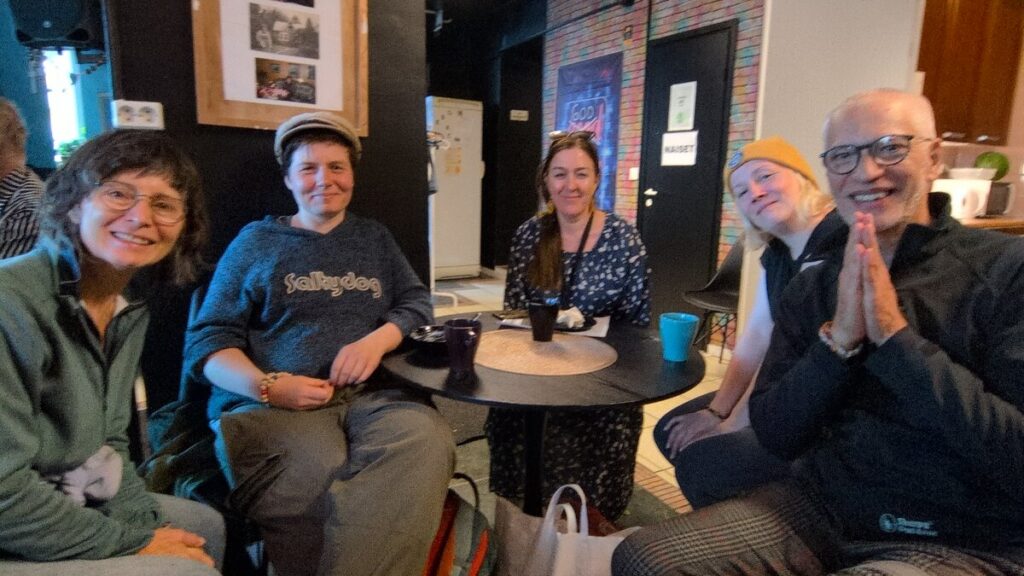
We had a group of five participants: one from Brazil, two from Finland, one from Germany and one from the United States. In the past our groups have been larger, but the smaller group was really pleasant, as moving around was quicker and we could fit more easily into the homeless cafés without taking up too much room.
Key elements of the Street Retreats
There are a few key elements to Street Retreats, such as collecting a Mala before the retreat. The idea is to ask for small donations from friends, relatives and workmates, and these people are carried with you during the retreat in the form of a bead rosary, with donors’ names written on the beads. The money is donated to homeless NGOs after the retreat. Another element is the practise of the Way of Council, which is a form of listening circle, practised several times a day. Council is a form of meditation, as it is mainly listening, with no planning ahead. Your own turn is always spoken from the mind of the moment, which is what it is — straight from your heart.
Three Tenets
The main practice is the Three Tenets of the Zen Peacemakers — Not-Knowing, Bearing Witness and Loving Action — formulated by Roshi Bernie Glassman. On the streets, almost everything falls into Not-Knowing. There is very little planning involved, although I knew many of the homeless projects from previous years, and it was lovely to see old friends again. I also had my eye on one particular place that might have served as a sleeping spot if there had been some rain.
Begging is never too much fun
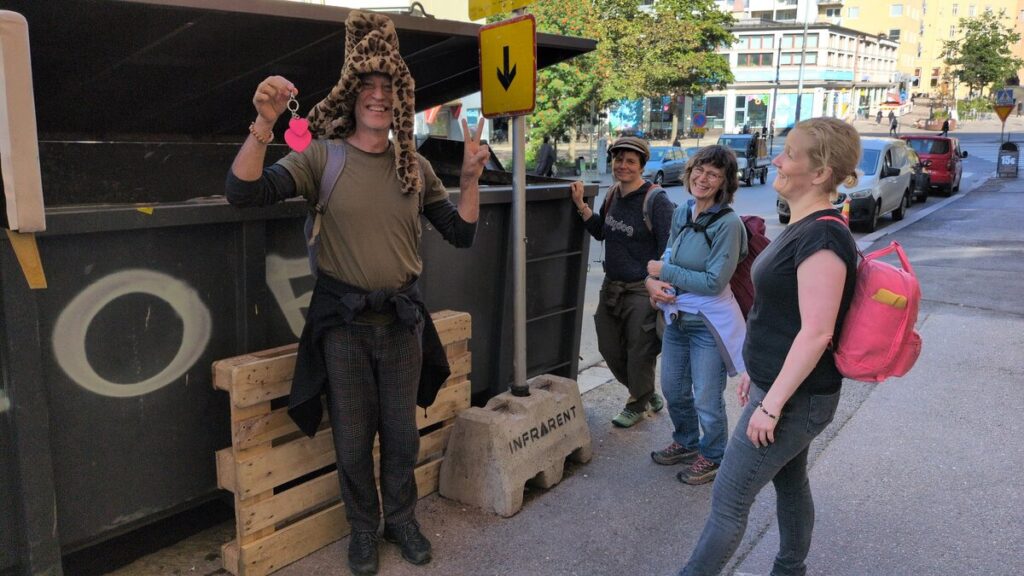
The most difficult practice is begging. It has always been an important part of Buddhist practice, but not here in the West. On the street retreats we beg for one to two hours a day — for money and for food. The money is needed to pay for breakfast and lunch at the homeless cafés. Food is always eaten collectively after begging. Mostly, begging is a tedious practice, with the occasional snarky remark thrown at you, but sometimes it ends up in a nice discussion about what we do. We never lie; we simply tell people that we are a group of spiritual practitioners living a few days on the streets with no money and no shelter.
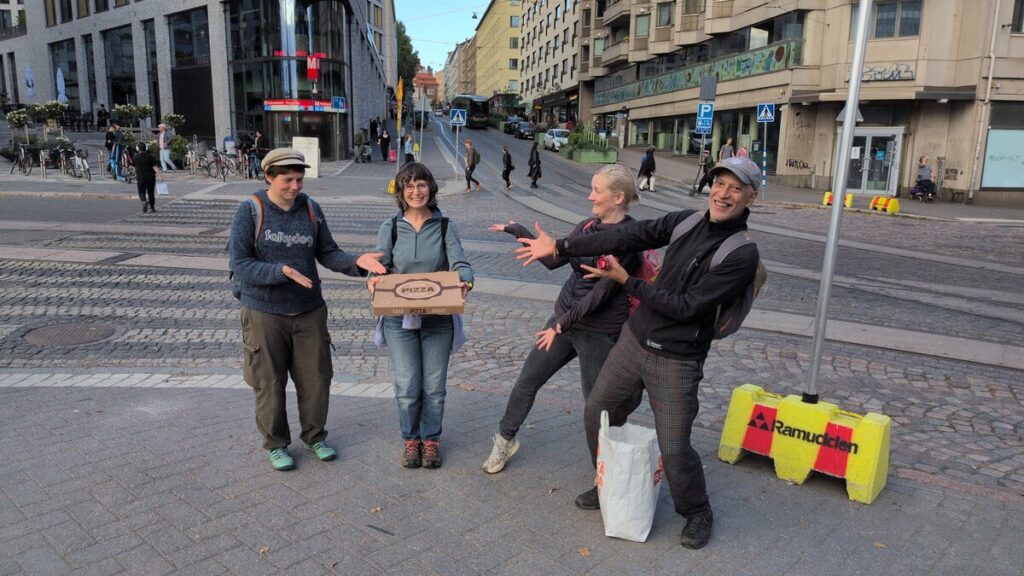
Sometimes people walk away, but sometimes they are curious to learn more. Occasionally people want to buy us food instead of giving money, which is always a lovely gesture. Begging at restaurants can be equally difficult, but some places are surprisingly kind and offer food with grace and no further questions. Sometimes I go back later to tell them about what we do. They often tell me that they love to give, and were happy to help us too. Someone told me that we were a reminder to them, too, to give freely whenever someone needs help.
Visiting homeless shelters
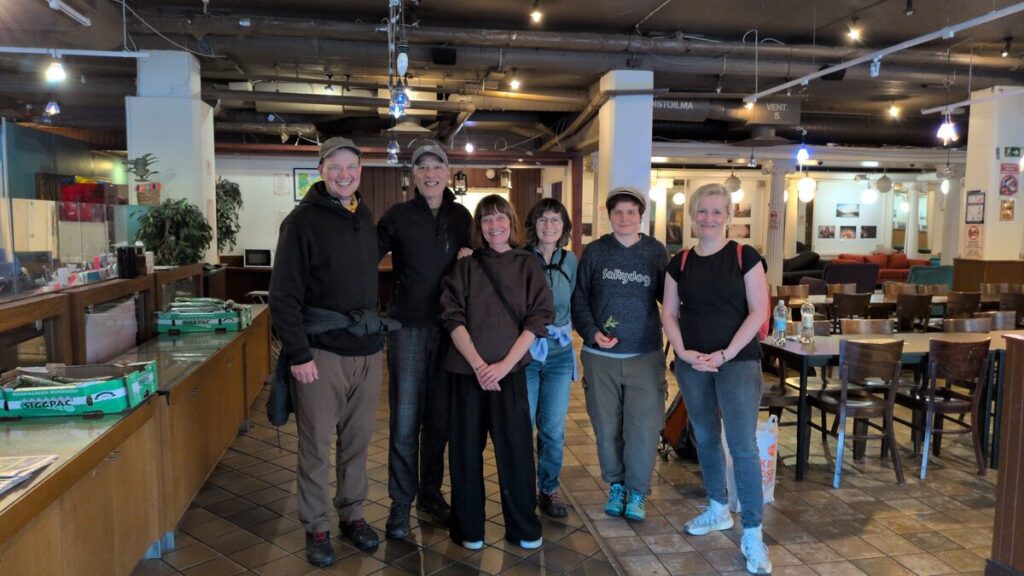
Another practice on Street Retreats is visiting different homeless projects around the city. They are always thrilled to hear about our experience, and they always stress how valuable it would be for more people to experience how difficult it is to live on the streets. People are very happy to learn that we do this voluntarily, to gain even a glimpse of how difficult it is for people experiencing genuine homelessness.
Sleeping
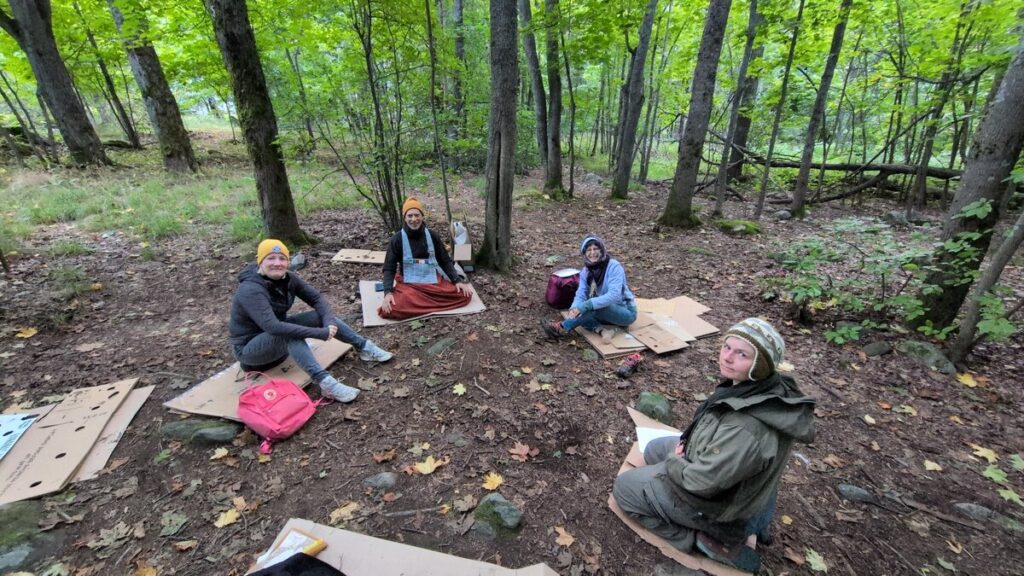
One of the most important practices is gathering cardboard. This is often very difficult, but somehow it always works out. The cardboard is used to sleep on — otherwise it would be too cold, wet and hard to sleep. Concrete is especially unforgiving without cardboard. This year we spent the first and last nights in a beautiful patch of maple forest not too far from the city centre. It was peaceful and lovely.
On the second night of the retreat, we stayed indoors. A Buddhist Sangha called Bodhidharma Association had heard about our retreat and invited us for a cup of tea in the evening. We happened to be nearby, so we accepted the invitation. As night was closing in, they told us that we would be welcome to spend the night in their meditation hall — a very welcome offering.
Meditation
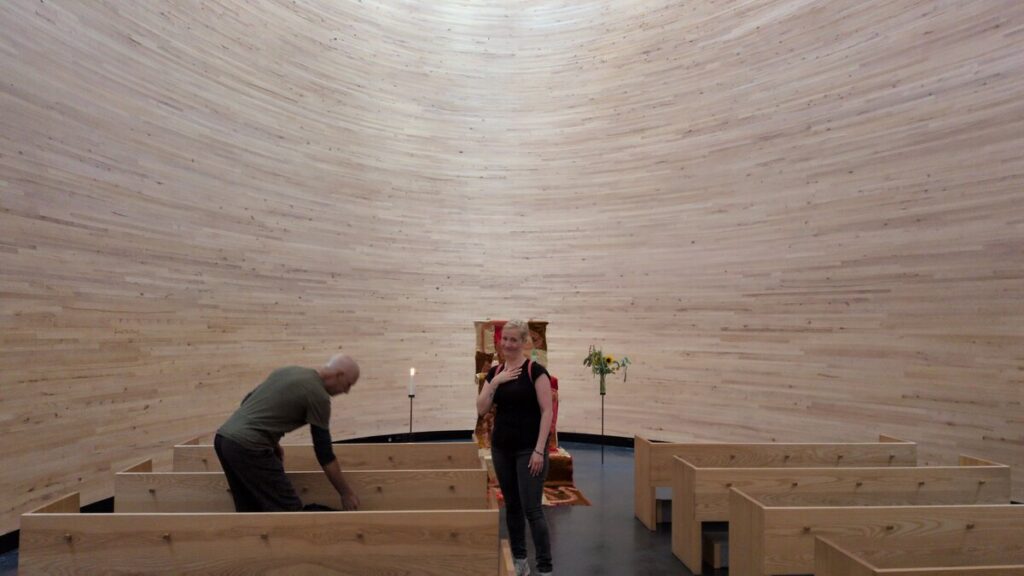
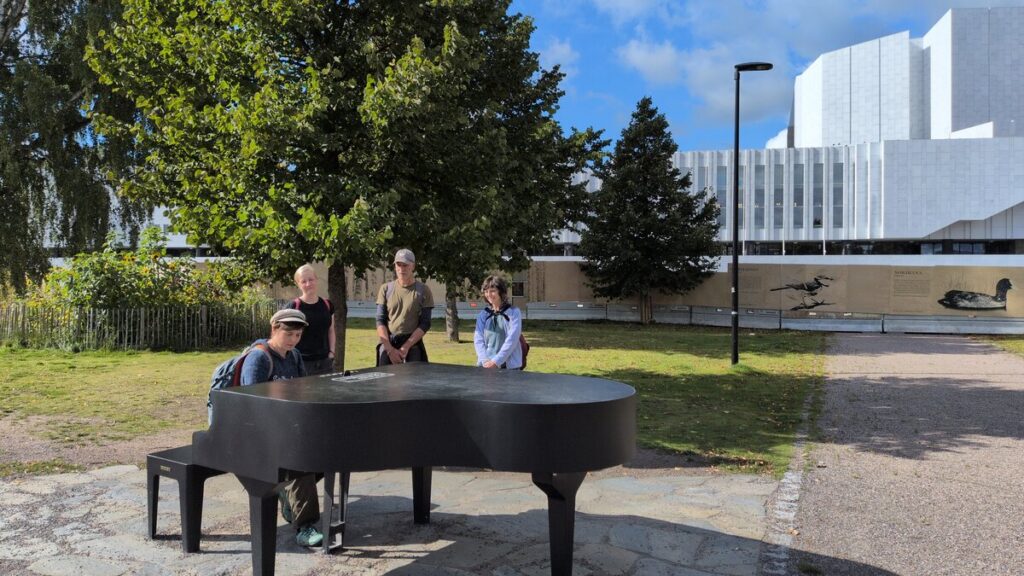
Silent meditation is also often practised during the Street Retreats. It often takes place in parks, and people usually use these moments for napping — at least I do. Sometimes we visit churches and sit in silence together. There is plenty of time on our hands, and it is often given over to what Bernie called aimless meandering.
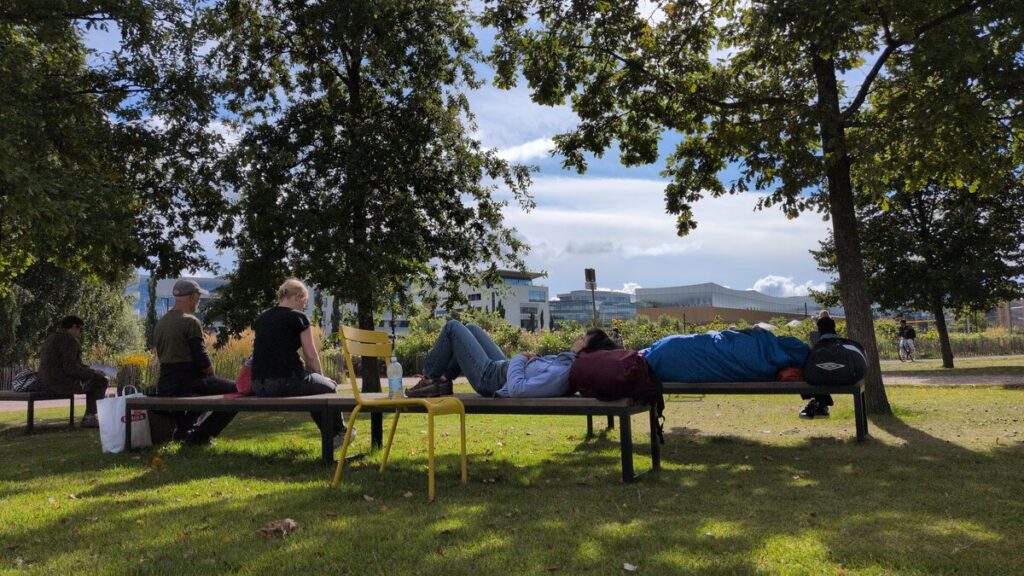
It is quite heart-warming how all the participants find their place within the Mandala of the group. Each member is pivotal, with their own special skills and temperaments, without which the retreat would not be whole. It is one body, as Bernie would have phrased it.
Ceremonies
The last element I can think of now is the chants and ceremonies we hold on the streets. I always carry a small kit of chant books, charcoal, incense and a candle with me. We perform the rite of the Gate of Sweet Nectar each day — the key liturgy of the Zen Peacemakers. Performing it on the streets with impromptu instruments and plenty of dedication is truly amazing! Sometimes we do it in the woods, under a bridge, beside a random memorial site, or by a big coal heap, as we once did.
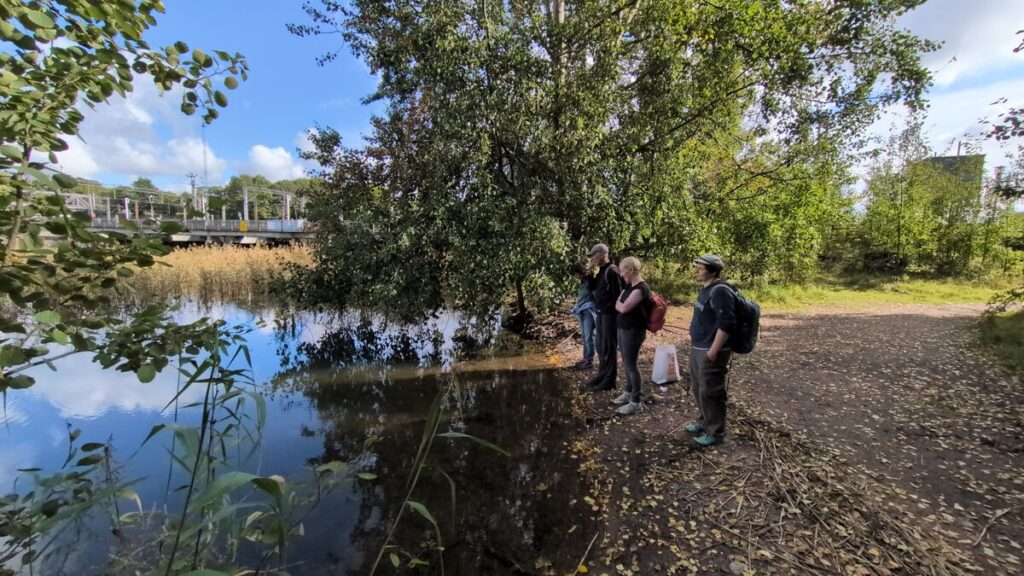
We dedicate it to homeless people, to those who gave money or food to us, to our loved ones who made it possible for us to step away from our daily routines for a few days to be on the streets, and sometimes to someone back home who is ill. We dedicate our Council circles every time we sit as well.
Gratefulness
All in all, the retreat is largely about the gratitude we feel towards everyone who supports us — as much as there can be ”others”, when we are all one body.
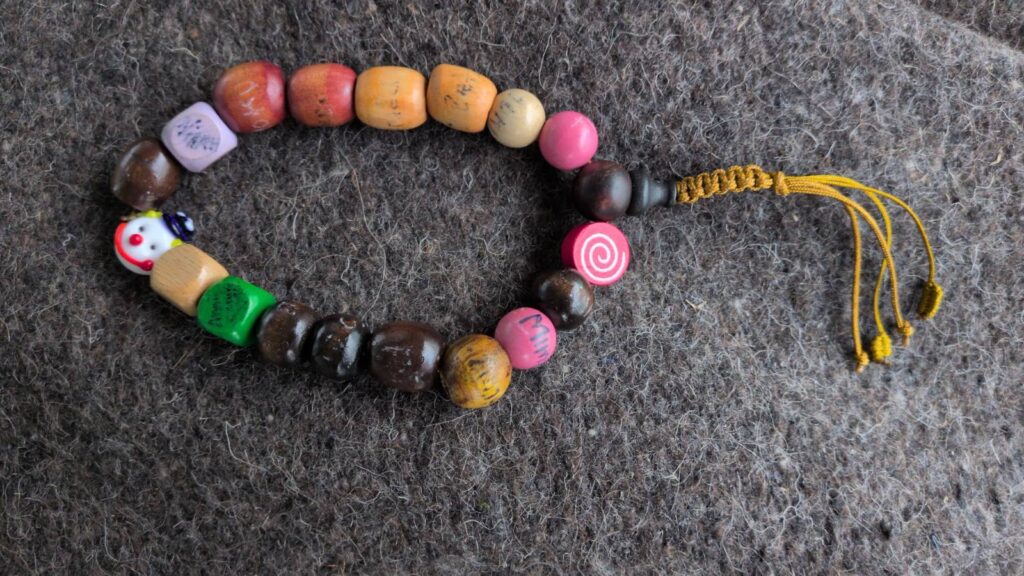
I am eternally grateful to my friends who donated money to be on my Mala. All of the funds that participants donated to the retreat pool were shared with organizations serving the homeless here in Helsinki. One portion of the funds was given to the Bodhidharma Association, under whose name it was passed on to VVA ry together with our own donation.
Thank you very much for your support. It is important.
Three bows, Sensei Mikko
The projects we supported
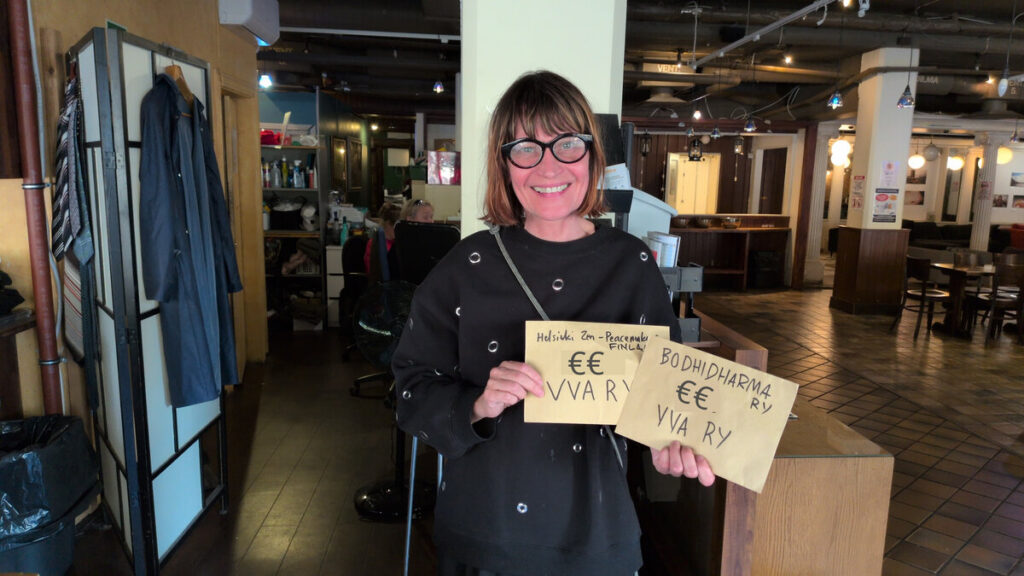
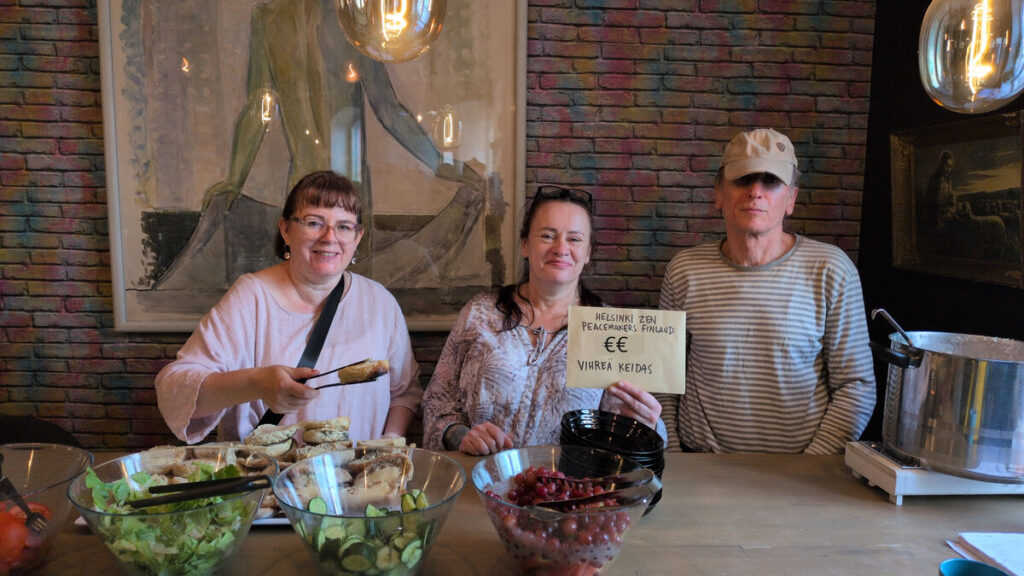
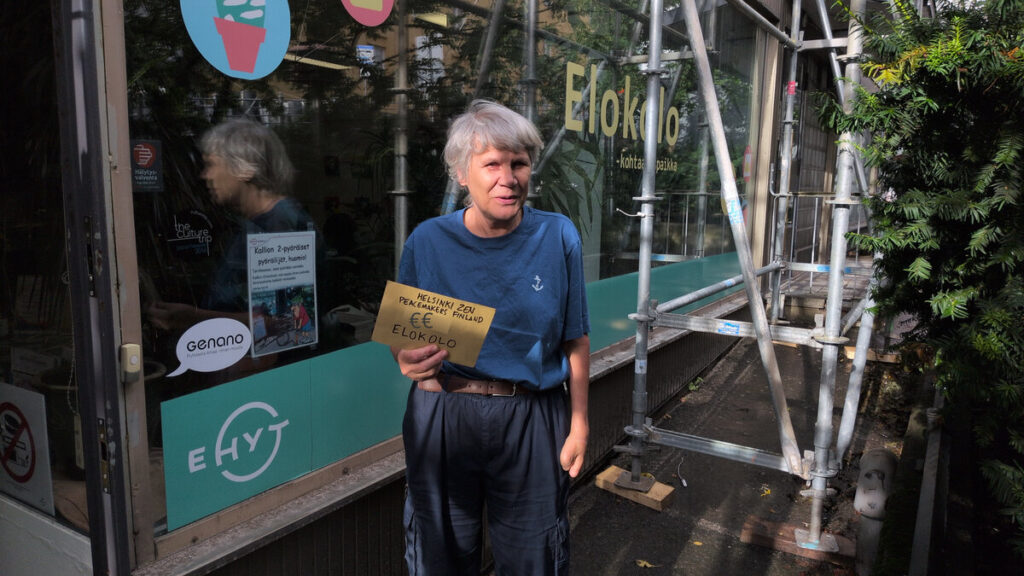
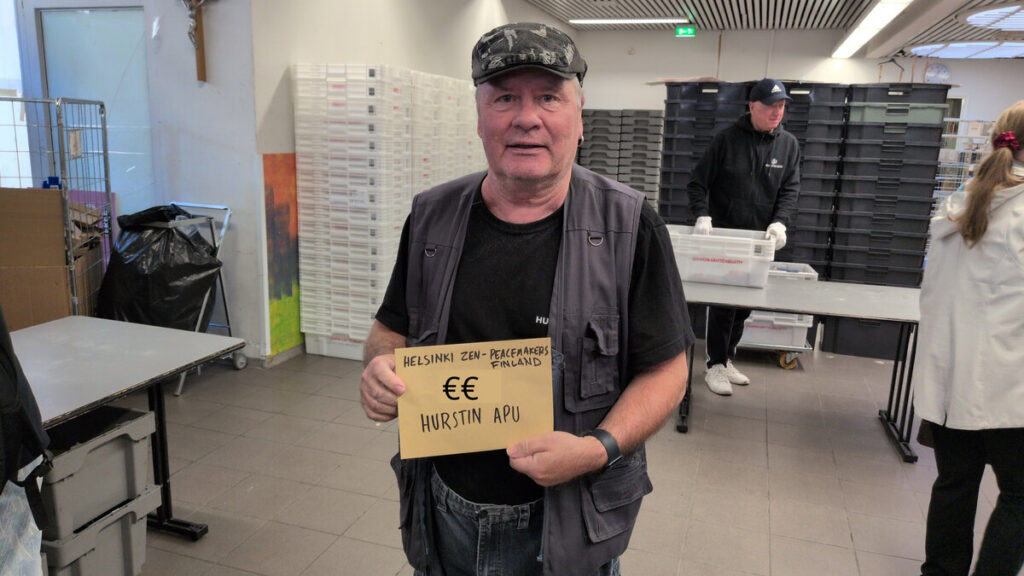
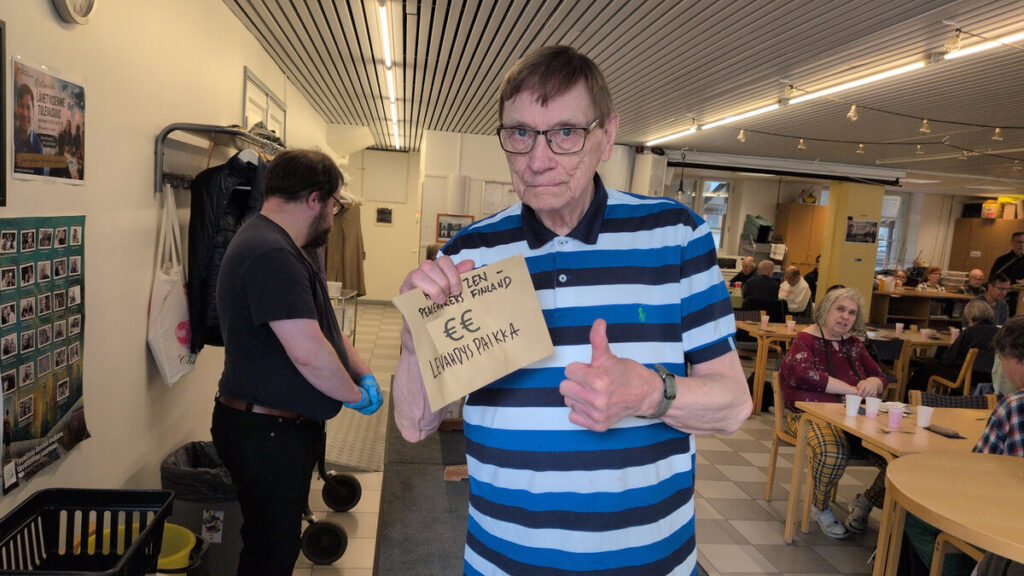
No Fixed Abode NGO – Vailla Vakinaista Asuntoa Ry